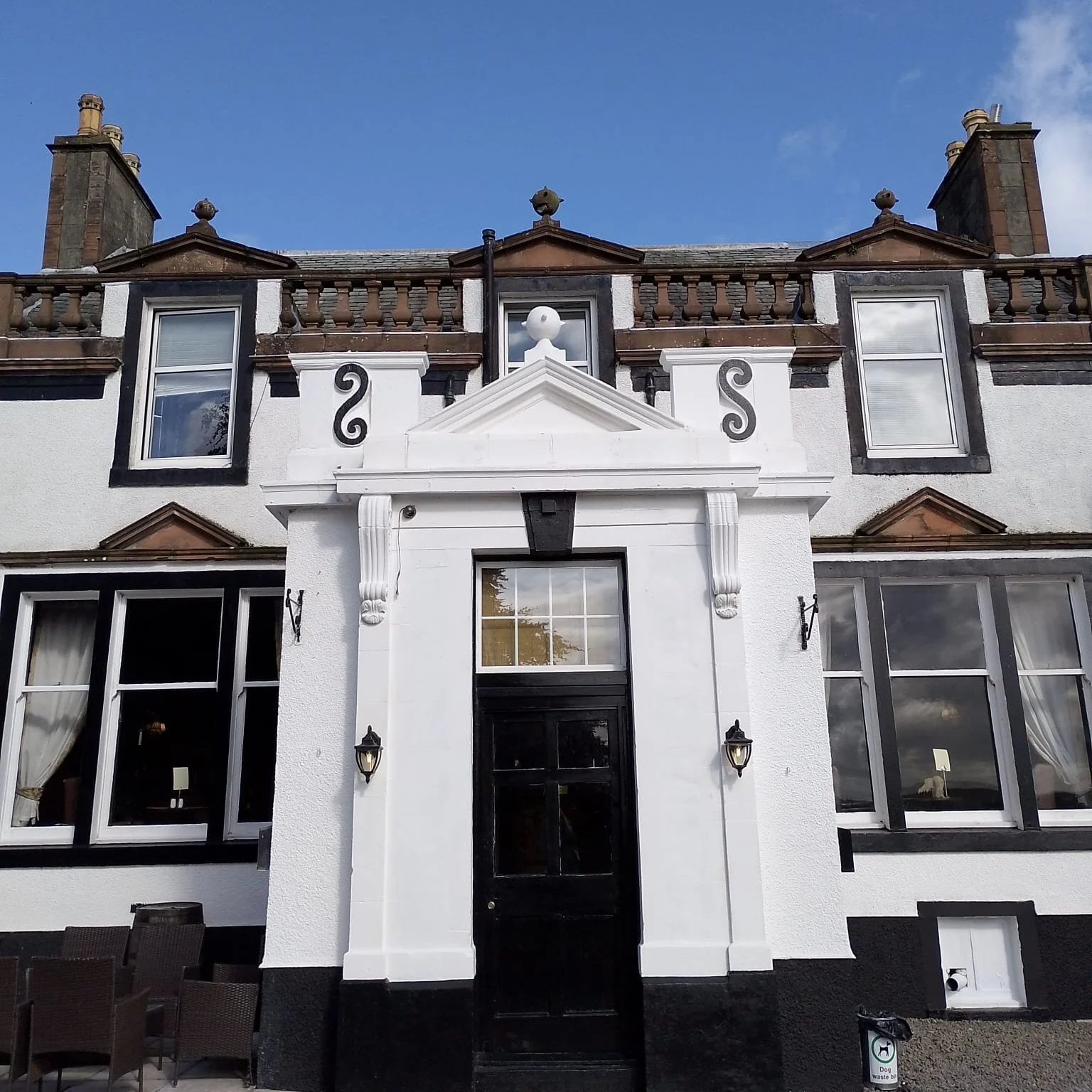
The Blue Boar
What does a ten-year-old do when he finds out his dad may be involved with some criminal activity? Set in the 1960s, when we still had Grammar Schools – which our hero wants to go to (but his dad isn’t interested), this story involves a pub, some illicit goods, and some very nasty characters. And it really doesn’t help that the local beat bobby isn’t the brightest spark in the box …
‘Nothing to say? Again? You idiot.’ And Dad stalked away to do another important job in the bar.
Never mind I was in the class that was being entered for the eleven plus: being quiet or, worse, keeping quiet when everyone else was talking, was Dad’s definition of stupidity. Dad also said he wouldn’t pay for the Grammar School uniform, so there was no point in sitting the eleven plus. There was a perfectly good Secondary Modern down the road. Mum and my teacher, Miss Jenkinson, said they’d ‘work something out,’ so I wasn’t to worry. Except I did, of course: Dad was the one in charge, and what he said was what happened.
Dad was the landlord at The Blue Boar, and was always busy, always loud. As his pub was usually full, I suppose he had a point about being noisy, but it’s never been ‘me.’
‘You’re a thinker, Michael.’ Mum said.
‘Well, I wish he’d think a bit more about football, or darts. Or even if he played pool. Anything to get him out from under my feet.’ Dad replied, spoiling it as usual. It was no good saying that, on those occasions when I wasn’t within shouting distance, I would be in trouble on my return for not doing some chore or other that he’d wanted me to do. Even if it was just putting more logs on the fire in the bar (a place where, only being ten, I wasn’t really supposed to be).
However, as I was in the top class, I had plenty to keep me busy. I don’t think Dad ever noticed how often I would come home from school late. If he had done, he’d probably thought I’d been kept behind because I was in trouble. After class, instead of turning right, with everyone else, in the scrum to get outside and away from the school buildings as fast as possible, I’d turn left and make my way to the library. They were on the top shelf, out of the way, a bit dusty. The new headmistress thought they were too old for our young minds, but given the alternative seemed to be more Enid Blyton, I’d climb on a chair to grab a book I liked the look of, and settled down to read.
Miss Jenkinson would come along as soon as she could to ask me about what I was reading. She reckoned I could cope with Charles Dickens (though she did say I’d probably get different ideas from his work, or Jane Austen’s, when I read them again when I was older), but she also wanted me to look at other subjects as well. The eleven plus covered more than books. At the time, being too glad of the quiet, being too relieved I didn’t have to go home to Dad, I never wondered why I was singled out but, given what happened, I am grateful.
Not only was I quiet at that age, I was also ‘undersized’. This meant, during the holidays and those evenings when I had to be at home, I would creep around the alleyways and byways near the pub trying not to be seen. Especially not by Dad. I learned which doorways to duck into, which old sheds didn’t have locks and could provide temporary refuge; and, skulking in the alleyway beside the pub, I learned not to be amazed at how often the wooden panels which led to The Blue Boar’s beer cellar were left unlocked and ajar – even when there was no delivery from the brewery. Not that I ever used that entrance as a way to get home; somehow, I knew the doorway at the other end, the one which lay flat on the ground behind the bar, would be locked – so whoever went down to the beer cellar from outside, would have to come back the same way. I also got to know the exact time PC Peters’ torch would flash up that alleyway as he strolled around his beat.
Then, one night, I was somewhere else I wasn’t supposed to be: in the corner of the snug. It was where women were allowed. Nowadays it’s all different, and even back then it was a bit more complicated: a woman who came into the bar was always expected to have a man – her man – with her. He paid for the drinks. If she wanted to come in by herself, especially if she was a bit more classy, she went to the snug, where she could ring the bell, and Dad would send whoever was the latest barmaid to get the order. Service was slower, but the room was quieter. I was there because Miss Jenkinson and Mum needed to have a chat with me about how well I was doing.
Dad didn’t like Miss Jenkinson. ‘Prissy’, ‘up her own backside’, ‘thinks she can save the world one over-educated kid at a time’. I’m sure there were plenty more comments I didn’t hear. But, when she ordered food (‘good, basic, pub grub’), Dad was perfectly happy to take her money. Mum and I were supposed to eat in the kitchen, out of the way, but we had our supper in the snug, too. Afterwards, I promised I’d take the plates back to the kitchen, so Mum and Miss Jenkinson went off to have their own private chat away from the possibility of interruption by Dad.
I really was about to take the plates back to the kitchen, when the door opened from the bar and Black Bob entered with his mates. I didn’t like Black Bob. He wasn’t black, as in a different coloured skin, but he had very dark hair and a big, bushy beard. Even his eyes – about the only part of his face you could see – seemed black. You didn’t argue with Black Bob, not even if you were Dad and it was too late for last orders.
‘It’s quieter in here.’ Bob said as I shrunk down in my corner, praying he wouldn’t choose my table. He should have stayed in the noisier bar where there was less chance of being overheard, but Bob wanted to use the almost deserted snug. They chose the next table. I breathed a sigh of relief, but I couldn’t move. Not once Black Bob started talking. That night was going to be a ‘big job’, that night all of them had to be on the qui vive – whatever that meant – and that night, they all had to make sure everything went ‘without a hitch.’ The ‘goods’ would be packed into the cellar overnight, and collected ‘for their onward journeys’ at first light. The lorry – or was it, lorries? – was waiting, parked up out of sight.
The key to starting the whole plan was PC Peters’ torch. It seemed Black Bob knew the local policeman’s routine as well as I thought I did.
‘Remember, Crusher, you don’t move until the second flash of torchlight up the alleyway. As soon as he’s taken his size tens away, he won’t be back all night.’
‘If you’re sure, boss.’
‘You doubting me? Saying I’ve got it wrong?’
‘No, boss. Not saying that at all.’
‘He’s been on this beat ten years. He wants to get home to his missus. He’s not changing his routine.’
I worked it out. By the time PC Peters came back to have his second check of the alleyway, I would have been in bed asleep – no wonder I didn’t know about it. The gang discussed how, officially, Dad knew nothing ‘and the yellow-bellied dolt wants to keep it that way’, but I reckoned if he was being told to leave the alleyway access to his beer cellar unlocked at night, he must have suspected something. Dad did pop his head through the doorway to ask ‘if you gentlemen would like a top-up?’ but Black Bob said no they didn’t – in a tone of voice that sent Dad back to the bar very quickly.
I couldn’t do anything until they left. I did think about telling Mum but, at the time, I thought she’d just tell Dad – and then I’d be the one in trouble, and so would Mum for leaving me in the snug. Miss Jenkinson? I only knew her from school, and I had no idea where she would go, once she left The Blue Boar.
I was still wracking my brains when Black Bob and his gang left me alone to go back to the bar ‘for some serious drinking’. So much for not wanting a top-up! Carefully, I collected the plates and took them back to the kitchen.
‘You took your time. I thought you’d be upstairs by now.’ Mum meant, in bed. There was no heating upstairs, so there was no point in going there unless it was bedtime.
‘Is there any pudding?’ I asked, quietly. More to delay the inevitable than anything else, but, to my great surprise, a piece of spotted dick with slightly lumpy custard was handed to me, and I was pointed to the corner.
‘Just don’t make a mess.’ The story was it had been ordered, paid for, and then that person had an argument with Black Bob and decided to leave the pub. Assured he would not be back, I ate his pudding and made my way upstairs, still no wiser about what I was going to do with the information I had about Black Bob’s plans for that night.
It was only when I got to my bedroom and started pulling the curtains that I had my flash of inspiration. Down and to my right, outside my room, was the entrance to the very alleyway PC Peters would shine his torch up. And there was the ivy clinging to the wall that I convinced myself I could climb down. A couple of things made me pause: if I turned my light off, would the darkness mean I’d fall asleep, whether I wanted to or not? And: could I fool Mum that I was in bed asleep while I was really wide awake?
The first question was trickier than the second. After some debate with myself, I decided the best way to fool Mum was to be in bed, but still have my clothes on (but not my shoes, obviously) when she came to say good-night from the doorway – Dad had decided I was too old for good-night kisses. For once, I was glad of his interference. Back then I would have died rather than admit a kiss and cuddle from my mother before I went to sleep was something I liked.
Anyway, once ‘good night’ had been said from the doorway, after waiting some minutes to be sure she had gone back downstairs, I got up again, put my shoes on, wrapped my blanket round me, waited by the window with its open curtains, and hoped I could interrupt our local bobby on his beat.
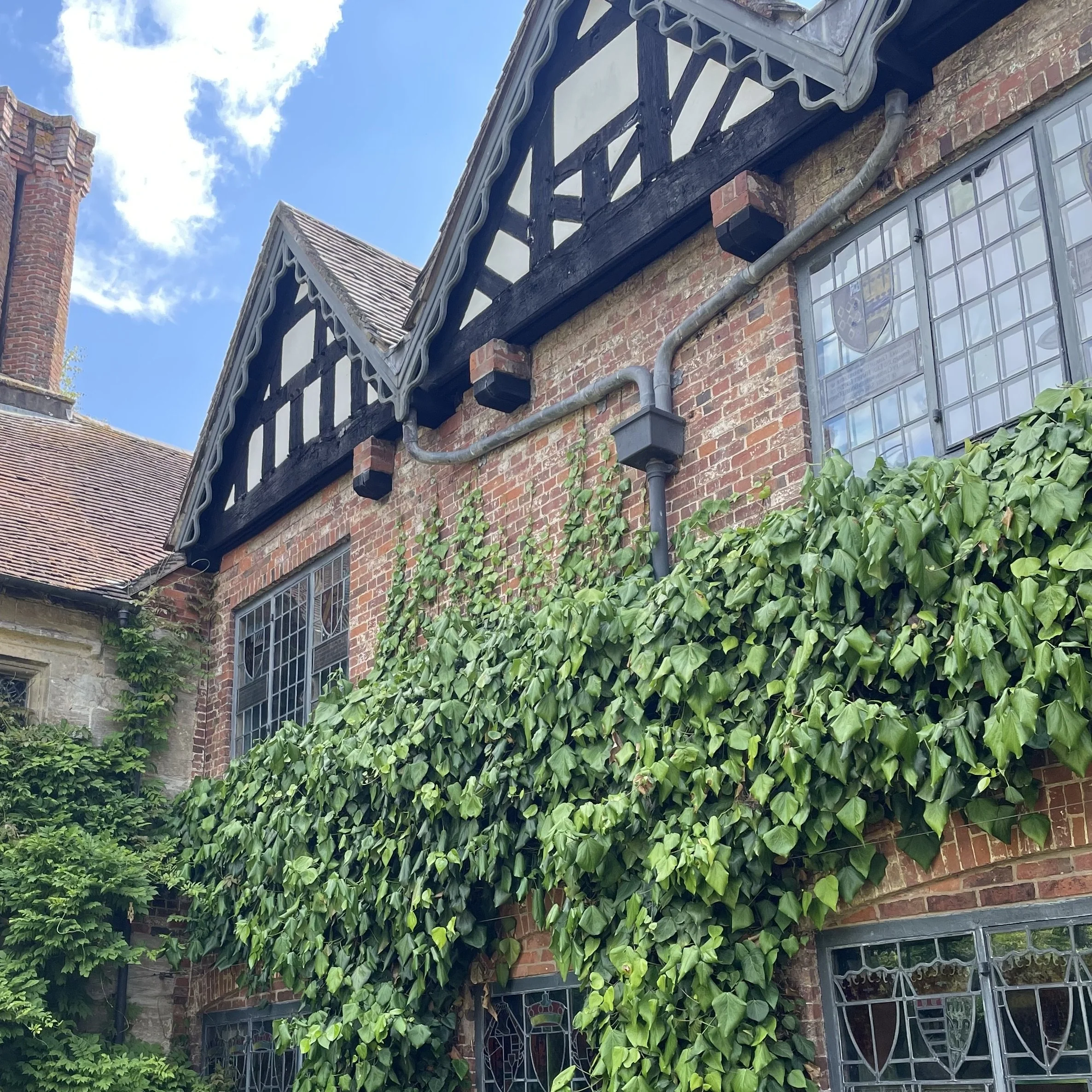
If it hadn’t been so cold, sitting on the window sill, with the window wide open, I’m sure I would have fallen asleep before PC Peters’ first visit to the alleyway, never mind the second. His torchlight blinding me when I’d frantically ‘pss’t’ in his direction and waved at him, didn’t help.
‘You should be in bed, young man.’ He said, very loud and official.
‘But I’ve got to tell you something!’ I was trying to whisper loudly – it’s not easy. I was terrified Crusher, or another member of Black Bob’s gang would hear me.
‘You can tell your father in the morning.’
‘No! He’s part of it.’ The words were out of my mouth before I’d really thought about it.
‘Oh, is that the way of it? I’d better pop inside and have a word, then, shouldn’t I?’
Why are grown-ups so thick?
‘If you tell him,’ I hissed, ‘you won’t catch anyone – and they reckon they’re going to blame you anyway. They’ll tell the sergeant you’re part of it, too.’ That last bit wasn’t true, Black Bob and his mates had no intention of being caught, but I had to say something to stop PC Peters ruining everything.
‘Oh, yes? And how am I part of it?’
‘Let me get down and I’ll tell you.’ I threw the blanket off my shoulders, climbed through the open window onto the ledge, and reached for the ivy.
If PC Peters hadn’t caught me, I might have made a mess of the pavement. As soon as I got a decent hold of it, the ivy peeled away from the wall. And broke off. Part of me wanted to shout out in shock, part wanted to cry, but part, the biggest part, wondered what Dad would make of it and how much trouble I’d be in. Instead, I said nothing until PC Peters set me on my feet and reminded me, I’d said I’d tell him about his involvement in what he called ‘this criminal enterprise’. I embellished, but told him Black Bob was using his – PC Peters’ – timekeeping as the marker for the start of his operations.
I was walked, marched more like, to the nearest Police telephone box. I got to talk to the sergeant. He talked to the Inspector. And PC Peters was told to continue with his rounds as if nothing had happened.
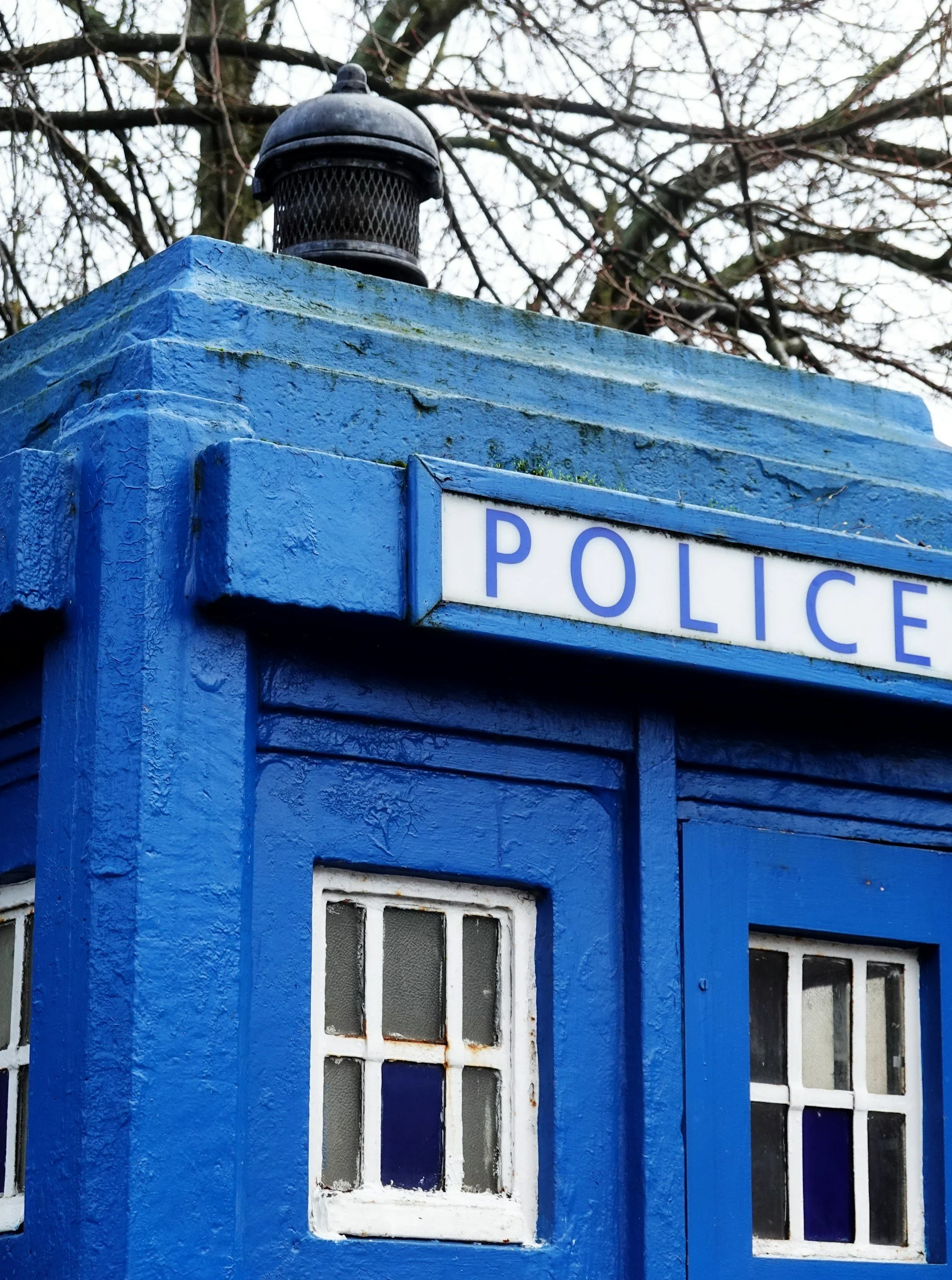
‘And what about the boy, sir? I can’t just let him walk back to the pub; he’ll give the whole game away like a shot.’
Thanks, I thought, but the idea of facing both Dad and Black Bob did not appeal. There was a pause at the other end of the line.
‘Leave him there. The car’s on its way. He’ll be picked up.’
Nowadays, of course, there’d be all sorts of health and safety and child protection issues about a policeman leaving a child on his own at night (or even in the daytime). And it was the longest ten minutes of my life. But it was a WPC in the panda car, and I was taken back to the station for some nice cocoa – and a lot of questions. Of course, I know now they were checking if I changed my story, they were finding out how much I knew, whether I could remember any more details. Including how well did my dad know Black Bob – apparently, the police knew Bob quite well, even if they hadn’t caught him yet
Suddenly, it seemed it was just me and the WPC in the station. In the outer office I could hear radios squawking, but by then I was yawning so hard I could not keep my eyes open.
Mum came for me at midnight. She had been crying, but she wasn’t cross with me. She just hugged me and kept saying, ‘oh, you brave boy. You brave, brave boy.’ I hadn’t felt brave, especially not when I fell off the ivy. But Mum wasn’t even worried about the ivy. Miss Jenkinson had driven her to the station and we were taken to Miss Jenkinson’s home, and I was put to sleep in her spare room. Again, at the time it didn’t seem odd – perhaps I was just too tired – my pyjamas were waiting for me and someone had put a hot water bottle in the bed. I was told I could sleep for as long as I liked. Mum and Miss Jenkinson would share her big double bed.
I remember I didn’t go to school the next day. I didn’t wake until the sun was very high in the sky. Mum looked after me until Miss Jenkinson came home – bringing all the work I missed. If I hadn’t been such a bookworm, I might have objected to this downside of sharing a home with a teacher, but I don’t remember it taking too long for me to catch up.
The Blue Boar was placed under new management. Dad, with his criminal colleagues, went to prison for smuggling goods. The story was he’d used the cellar as a holding place for anything Black Bob and his gang wanted to pass through, before whatever-it-was was distributed far and wide (profits to Black Bob, of course). These goods included a lot of ‘illicit liquor’ which, for some reason my ten-year-old brain couldn’t grasp, meant that Dad was also charged with false accounting.
PC Peters was told he needed to vary his beat: if the criminals knew exactly what time he would be where, his ability to catch those criminals was, fairly obviously, compromised. However, as he’d played such a part in bringing the dangerous criminals to book, it would look very bad if he was officially disciplined, so (as I was told later) it was all kept informal. My own role was relegated to ‘informant.’
We don’t know where Dad went after he came out from prison. He disappeared from our lives. I slept in Miss Jenkinson’s spare room all through my time at the grammar school, university, and the start of my career. Funnily enough, given what my father was charged with, I’m a (retired) chartered accountant. The quiet boy chose a quiet working environment. As for Mum and Miss Jenkinson (after all this time, I still have to remind myself to call her Linda): they shared their bed, their lives, their everything from that night to their dying days. Perhaps their mutual devotion explained why Dad hated Linda; but Mum didn’t need to tell me about the choice facing her:
Dad’s bullying versus Linda’s loving-kindness (which she extended to Mum’s lost, quiet son)? No contest.