How Not to Procrastinate
Back in 2024, I wrote a short piece for Resolute Books for their online series of blogs on ‘How Not To …’ – my word was ‘Procrastinate.’ While I was searching for information about a talk I was due to give, I came across the draft – so I have added to it, and posted here as well.
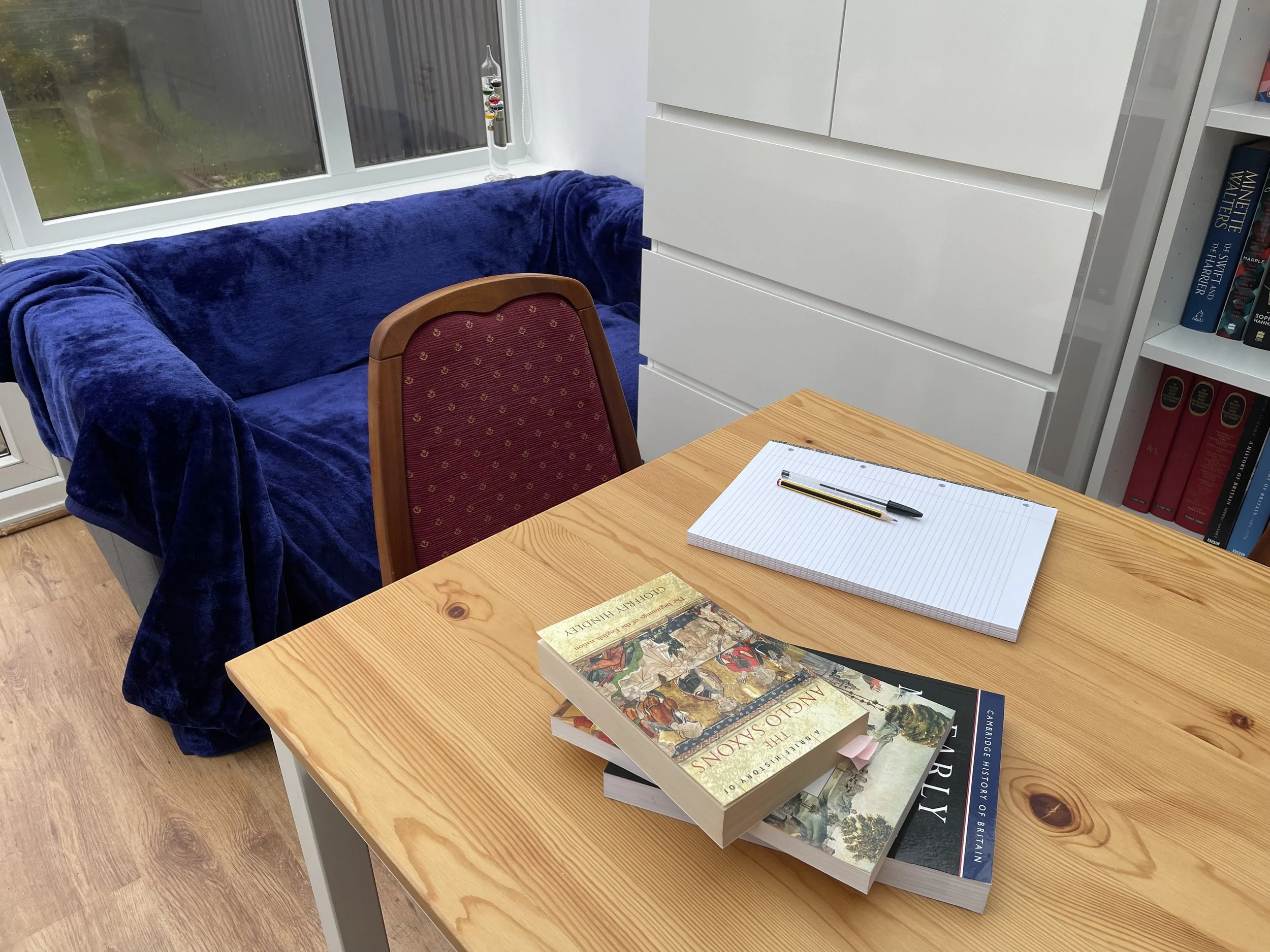
‘What are you doing tonight?’
‘Nothing.’
‘Then go, glue your butt to your chair and crack open your books.’
Having delivered this killer line, Clint Eastwood turns and walks away.
At least, I think it was Clint Eastwood. I’m not sure as he doesn’t play teachers very often. However, was I going to write this article, or procrastinate by doing ‘research’ and look up all the Clint Eastwood films I could find? Something like the above dialogue occurred when a pretty, young, female student approached her professor angling for a date, but presenting as someone needing help with the course he was teaching. Clint (presumably to show us, the viewers, he was not the sort of character to take advantage of young women) brushes her off by telling her the way to get work done is simply to get on with it.
Which is, in the end, how not to procrastinate. Anything can be procrastination, and people may disagree on what that is. Some of you may think I really ought to be able to say which film it was that I (mis-)remembered that scene from. As it is, given I have some serious rewrites and editing to do on my own novel, writing this article is a very good way for me to procrastinate. I can also think of the shopping I need to do, the tidying up – when did I last hoover the lounge? – or finding the money to pay the window cleaners …
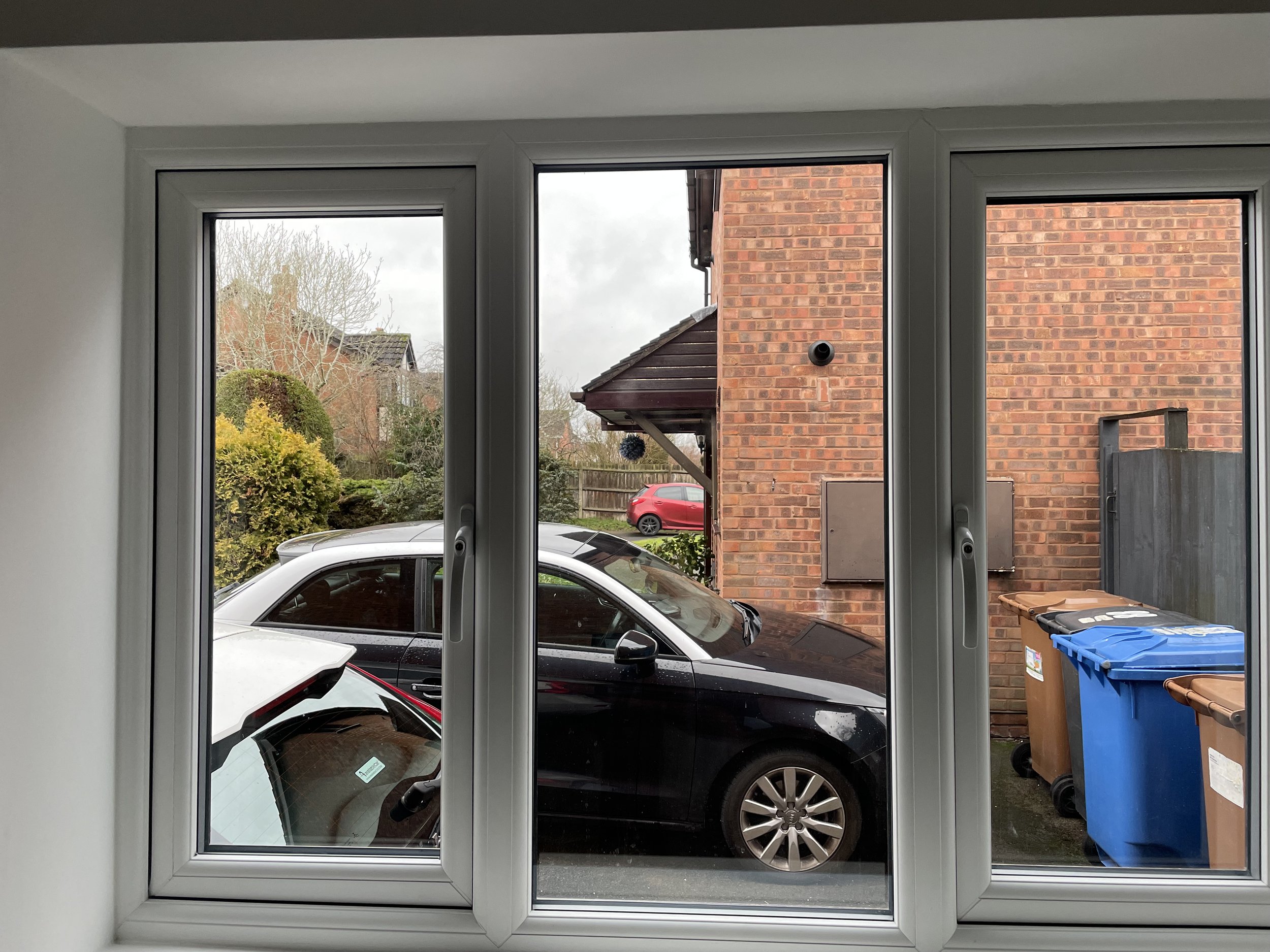
Perhaps I should just stop here and get on with editing my novel in progress, researching my next novel, or writing up the talk I’m due to give this weekend (fortunately that is based on my research for my next novel) … All this, of course, points to another reason for procrastination, being overwhelmed by all the things that ‘need’ doing. The important, the urgent, the practical. It is so much easier to say (or type), than do, but perhaps we can just pick one and get on with it. So often – a little bit like my morning exercises, which I never want to do – it is a case of getting started, and once started, it is easier to keep going to the end: or, if it is a big job (my books, so far, have been between 90,000 and 100,000 words) just break it down into manageable chunks. I cannot write 100,000 words in a day, but on a day when I’m drafting out a chapter, 1,000 is manageable. And, often, once I have started, carrying on is easy – unless I get disturbed or distracted, of course …