A.D.947: Morwen Plots Her Revenge
It’s very early in the process, but here’s the first draft of a chapter (I’m not even sure if it’s going to be the first chapter or not) from ‘Podevin and Elgiva’s Return.’ To remind those who have read, and to tell those who haven’t (and if you haven’t, go to https://amzn.to/4kErnNu to get your copy!), Morwen first appeared in chapter one of ‘Warrior Princess, Errant Page’ as the fourteen-year-old Emma’s chief lady-in-waiting. Until, that is, Emma killed her brother, the Welsh outlaw Cadwalladr. Seventeen years later, Morwen still wants her revenge for this death and so, when it transpires there’s a new arrival in the English court, she is interested, very interested …

The messenger galloped his way from Winchester, the mud splashed on his cloak, more of it on his boots. He reached the first Welsh fortress as the November sun dispersed the mists. With one smooth action, he dismounted, flung his reins in a stable-hand’s direction, and strode into the oak-beamed hall announcing his news to all who would listen.
‘She’s back? What d’you mean, she’s back?’ Morwen had been seated in her chair by the open fire in the middle of their oak-beamed central hut, the smoke making its way up to, and finding its way through, the roof, where the thatch protected them from the late autumn rains. Bordering English Mercia to the east, and Gwent to the south, her husband guarded the way into Deheubarth. Men constantly rode back and forth with messages from Winchester and further afield, but never before had they brought news as unexpected as this.
‘She rode into King Edred’s court – a whole party of them – from the coast. Crossed the channel on a merchant ship, so they say. Claims she was wronged by her husband – forced to put her seal to a divorce petition – imprisoned in a nunnery. Escaped, with the help of her bodyguard, and been on the run ever since.’
Seventeen years. Seventeen years since that royal viper had struck down her brother. Seventeen years since she’d had to run half-naked across a freezing, enemy courtyard to make her escape. At that moment, when their plans had been shattered, it meant nothing she had said it would come to no good: that Athelstan was not to be trusted. Hadn’t the Anglo-Saxon king treated with Hywel Dda over where their joint border would lie, just two years prior to this spurious plan for her brother to transfer his land, and his allegiance, to English hands? But Cadwalladr had been full of dreams: if he could be treated as equivalent to an Anglo-Saxon prince (it was a princess’s hand he was being offered, wasn’t it?), then the Welsh prince would have to deal with him as an equal. So much for petty arguments about cattle rustling and driving people off their land. And wouldn’t she, Morwen, cut a fine figure in the Winchester court?
It had all gone wrong. Her brother’s killer had been rewarded with a foreign, regal marriage, and taken out of Morwen’s reach. So, she was very interested in this news, and made the messenger repeat himself.
Even with the servants going backwards and forwards, frequently blocking her view, Morwen could see her husband was watching: the husband who owed fealty to Hywel Dda. Owain, too, knew who ‘she’ was. However, in the light of Hywel Dda’s new laws, the blood feud – the curse of peace in Wales for centuries – was officially over. But Morwen had nursed her grievance to herself for too long. A life for a life.
She would need to plan with care. Hywel Dda did not want a war with England. It was part of her husband’s role to ensure that those crossing the river Wye did so for the purposes of peaceful trade, not warlike raids. His men watched the roads, the rivers, and even the pathways through the forests, to make sure Owain ap Idwal was not taken by surprise. Even messengers on their way to Hywel Dda called in here on their way to Carmarthen.
Single-minded in her focus, Morwen pressed the messenger for more details. The man dared to sigh.
‘A moment, my dear,’ her husband said, coming across to join them, ‘and let our emissary refresh himself. It won’t do to have him faint away from hunger.’
‘Can he talk and eat?’ was Morwen’s response.
‘Yes, my lady,’ the man grinned.
She allowed the messenger to sit at their high table. She would sit opposite him once the meat and ale were brought, and his cloak taken away to have the mud cleaned from it. An automatic courtesy. However, her husband also signalled to the servants that the man’s boots should be replaced with slippers – the boots, too, were to be cleaned. Morwen grew impatient at this special treatment, but she held her peace. Courtesy, her husband often said, ‘cost little, and often gained much.’
She supposed it was true enough, but she had been raised under a harsher regime, where favours had to be earned. As soon as he was supplied with food and drink, Morwen got up to go across to the messenger, but her husband laid his hand on her arm, detaining her. She looked down at him, but made no move to walk away.
‘I’m not going to stand over you, as I trust you to tell me everything. But find out, first, how Elgiva’s arrival – I’m assuming it was as unexpected in Winchester as it is here – is being taken in Edred’s court. And, secondly, remember you have already waited years for this chance. A few more weeks or months will make little difference – yes?’
‘She killed my brother.’
‘I know, but I don’t want you starting any wars I, or my prince, cannot win. A warm heart, but a cool head.’
Morwen smiled, nodded, and her husband released her to join the messenger to find out all she could about the latest doings in England since King Edred had taken the throne.
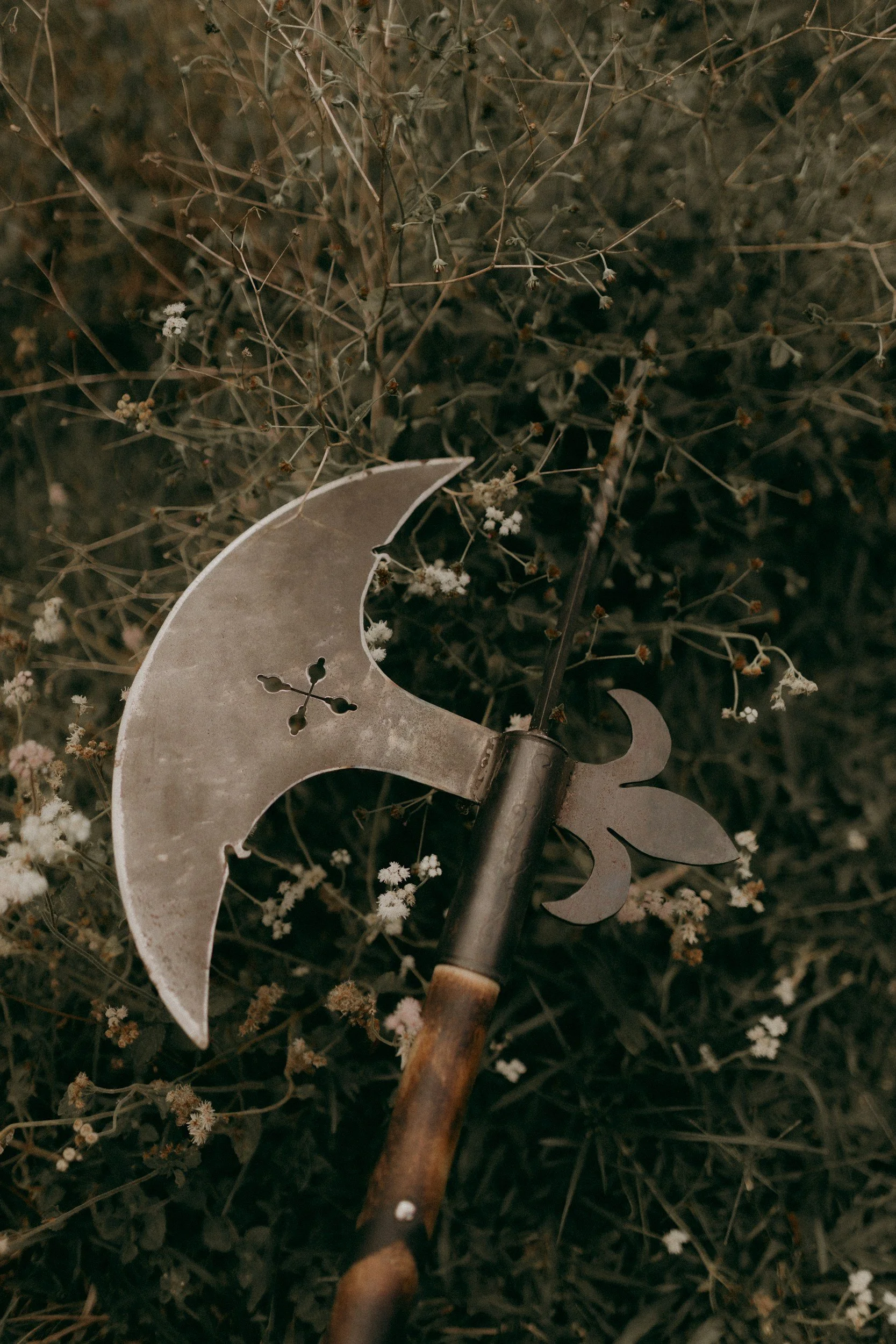
A warm heart, and a cool head. She had needed those when the fourteen-year-old Princess Elgiva had destroyed Cadwalladr’s life with a stolen battle-axe. So much for her being compliant. Princess Elgiva had been trained by Æthelflæd – the Lady of the Mercians – and the number of men, including Welsh men, who had died at Æthelflæd’s hand, was beyond counting. They should not have taken the Anglo-Saxon court’s assurances so easily.
She, Morwen, had to flee, wearing nothing but a linen shift and a borrowed cloak. With Cadwalladr dead, she had to marshal what was left of his band of followers and make a deal with Hywel Dda, even then, the most powerful prince in Wales. It was the best she could do, but at least nobody who had followed her brother (and survived that horrible night at Chippenham) had to die. The one who lost most was herself. All her brother’s lands came to her, if she married the man Hywel Dda chose for her. However, if she died before producing an heir, her new husband would take the lot. Owain ap Idwal, from the mountains of north Wales – from Eryri – had been the one tasked with bringing Cadwalladr to heel. Morwen forgot why Hywel Dda couldn’t deal with the matter himself: maybe it was because the prince wanted Owain to show his metal?
They’d ridden hard through that bloody night, hiding up during the next day. They could not guarantee Gwent. For all it was one of the few Welsh places not owing loyalty directly to the Prince of Deheubarth, the men of Gwent could gain Hywel Dda’s gratitude with ease, simply by handing them over to him. It was not worth the risk. Instead, Morwen had led Cadwalladr’s gang north into Mercia, crossing the river Wye with the sun only just beginning to show itself on the horizon behind them on the third day. They were making for Maelienydd, which had been (at least in part) Cadwalladr’s territory before he fell out with his prince.
The plan, if returning straight home was not an option, was to hide away in the Black mountains – approaching them from the north (a route they should not be expected to take) – but they rode straight into Owain ap Idwal and his men. Fight? With exhausted men, injured men, men who’d just lost a battle with Anglo-Saxon warriors who were supposed to be friends? Besides which, if Owain was where he was – only just inside the Welsh border – it could only mean he, Hywel Dda’s man, had secured Cadwalladr’s lands and people already. On top of losing her brother to an Anglo-Saxon wench, it was a bitter potion to swallow.
Owain would only ever say he had worked out her plan by putting himself in her position. And knowing that, yes, if she had gone through Gwent, she would have been intercepted and handed over to him anyway. The news the outlaw Cadwalladr was dead had travelled fast. The fact he had been killed by a woman caused amusement, and made Hywel Dda inclined to be ‘forgiving.’ Hence her men lived, their lands were restored (but they held them under Owain’s pleasure), and she lived to wed that same Owain. Thankfully, she had been fertile: several children ran around the halls, learning how to lead men, ride their shaggy ponies, and deal with the English across the river.
As for her men, they were, most of them, still alive – and loyal to her. This underlying loyalty gave her an idea. Owain’s own men, who had not been at Chippenham, might balk at killing a woman, but those who had been there that night …
She had to be there to strike the blow, but that could be done. Owain ap Idwal, as his lands in the north and the south of Deheubarth were at peace, was due to lead the next embassy to England. As Llewellyn, his son from his first marriage, was in charge in Eryri, Morwen had already suggested their second eldest, whom she had insisted on calling after his uncle, join his father. At thirteen, young Cadwalladr should be starting to make his way in the world. His older brother, Dafydd, could manage the lands here, while his parents –
‘What! You mean you’re coming, too?’ With the messenger dismissed, and her report given, Owain should not have been surprised, even though Morwen had never previously accompanied him. Then she had been content to run his territories (her territories, her brother’s lands until Elgiva killed him). Now was different:
‘I want to see this returned queen, this failure. I want to rub her failure in her face.’ Morwen wanted slash her knife across the woman’s face, but she kept that thought quiet. She would see for herself how Elgiva’s return had been received in the English court. She doubted King Edred was in a position to send troops half-way across Europe to fight Elgiva’s former husband. The question was: would he want to if he could?
She knew Elgiva’s return was a surprise, and not, if the messenger was to be believed, a welcome one. But how to create the situation where she could extract her vengeance on this royal brat? For although Elgiva would now be in her thirties, Morwen could only think of her as the screaming, little witch of fourteen, with Cadwalladr’s blood running down her arms and onto the silken shift that should have been her wedding gown.
There was a commotion at the door.
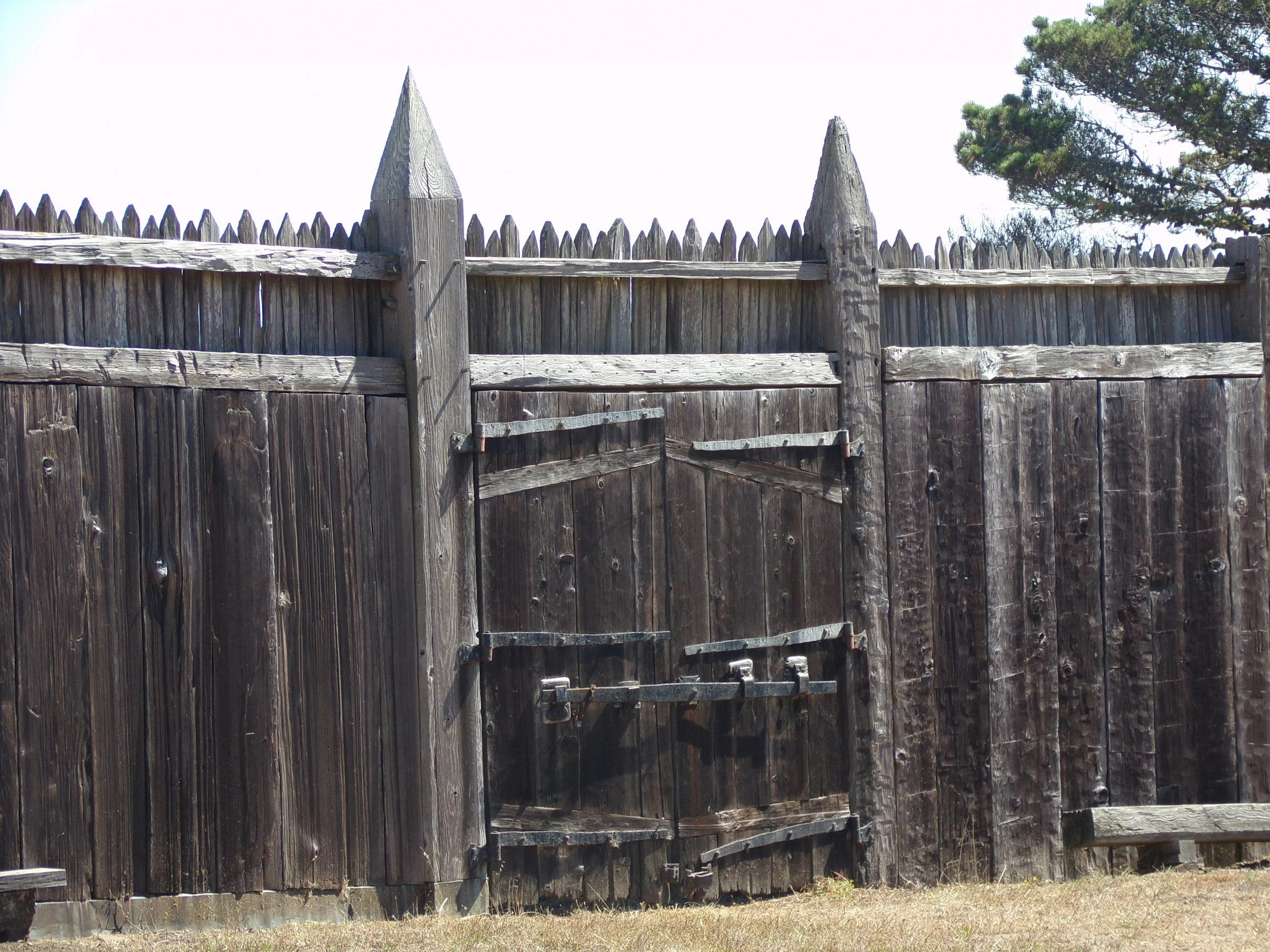
‘Let me through! I am to report to Owain ap Idwal, and him alone.’
‘Identify yourself! On pain of death.’
‘That will do, Morgan!’ Owain’s voice broke in before swords could be drawn, ‘Can’t you see the man is injured?’
‘No thanks to your son!’ the newcomer ground out.
‘What’s this? My sons are here. Dafydd, Cadwalladr? What have you been doing?’
‘No, my lord.’ the newcomer said, before Dafydd or young Cadwalladr could protest their innocence, ‘I mean Llewellyn. His lands are in revolt! Angharad sent us with a report once she read the signs; but we were chased down by Llewellyn’s men. Read it!’
There was even blood on the parchment the man held out towards Owain. The man staggered.
‘Help him!’ Owain was looking at his wife as he said this. She signalled her ladies, who rushed forward. The man was still trying to hand over his missive. Owain’s clerk, finally realising that, blood or no blood, he was going to have to take, open, and read what was enclosed, took the parchment with fastidious fingers.
It was perhaps fortunate Owain was there, and insistent on knowing the contents of his favourite daughter’s message. Morwen, busy with her ladies in a far corner in cutting the clothes off the man to expose his wounds – how he had not bled to death, she could not tell – was too far away to hear what was read. She also missed the narrowing of her husband’s eyes, the lowering of his chin, the hands closing into fists and resting on his hips.

‘The addle-headed fool! The unwhelped puppy! The caethion!’ If Morwen had turned as soon as Owain started speaking, the whole hall stopped in a collective intake of breath when their lord and master uttered that last word. This was not the way a bréyr, a landowner, would talk about his own son, was it? On the other hand, no actual caethion would be subject of any letter sent by Angharad to her father. She would and could deal with her slaves herself. Had Llewellyn, ruler of the lands of Eryri in his father’s absence, finally gone too far?
‘I don’t care what that bitch has said – it’s all lies! And that bastard who told you deserves to die!’ Llewellyn stood in the doorway, sword in hand. As Owain’s son, and one of his heirs, Morgan the gatekeeper had not dared to try to impede his progress. Indeed, he went so far as to bow as Llewellyn strode through the doorway into the hall, followed by his coterie.
‘I was not aware I gave you permission to come upon me with an unsheathed weapon?’ Owain said, standing before his son, arms folded across his chest: ‘But why are you here, anyway? Should you not be in Eryri, helping your sister?’
‘Helping Angharad? Help her! She’s on their side. She thinks our food should go to them. Not the other way around.’
‘Taking all their cattle, killing all their cattle, just because you, young man, can’t be bothered to hunt, is not how a lord behaves. Not if he expects his people to fight for him in times of war.’
‘What war?’
‘You never know when the Vikings may strike again, but,’ Owain held up his hand, ‘if you are so anxious for war, let me send you to York. King Edred is anxious to bring their Danish king to heel – you can help him. Our contribution to their effort.’
‘Oh, don’t be ridiculous!’
‘I mean it. And you can take your friends with you. Angharad can have your role.’
‘You can’t! I’ll kill you first.’ Llewellyn’s charge against his father was a lonely one. The fight was brief, and the son was on his back with his father’s foot on his sword arm, and Llewellyn felt the point of his father’s sword at his throat.
‘And what will your precious Hywel Dda say if you kill me?’
‘Nothing. You attacked me. I defended myself.’ Owain did not move his foot from his son’s arm, nor the sword from his throat, but did raise his gaze to look round the silent, watchful hall. ‘Unless there is anyone here who wishes to tell a different tale?’
None of Llewellyn’s companions met Owain ap Idwal’s gaze. The lord was still lord. The justice of his actions, should he choose to exercise that justice, unquestioned. Owain ap Idwal stepped away from his defeated son, and let him rise.
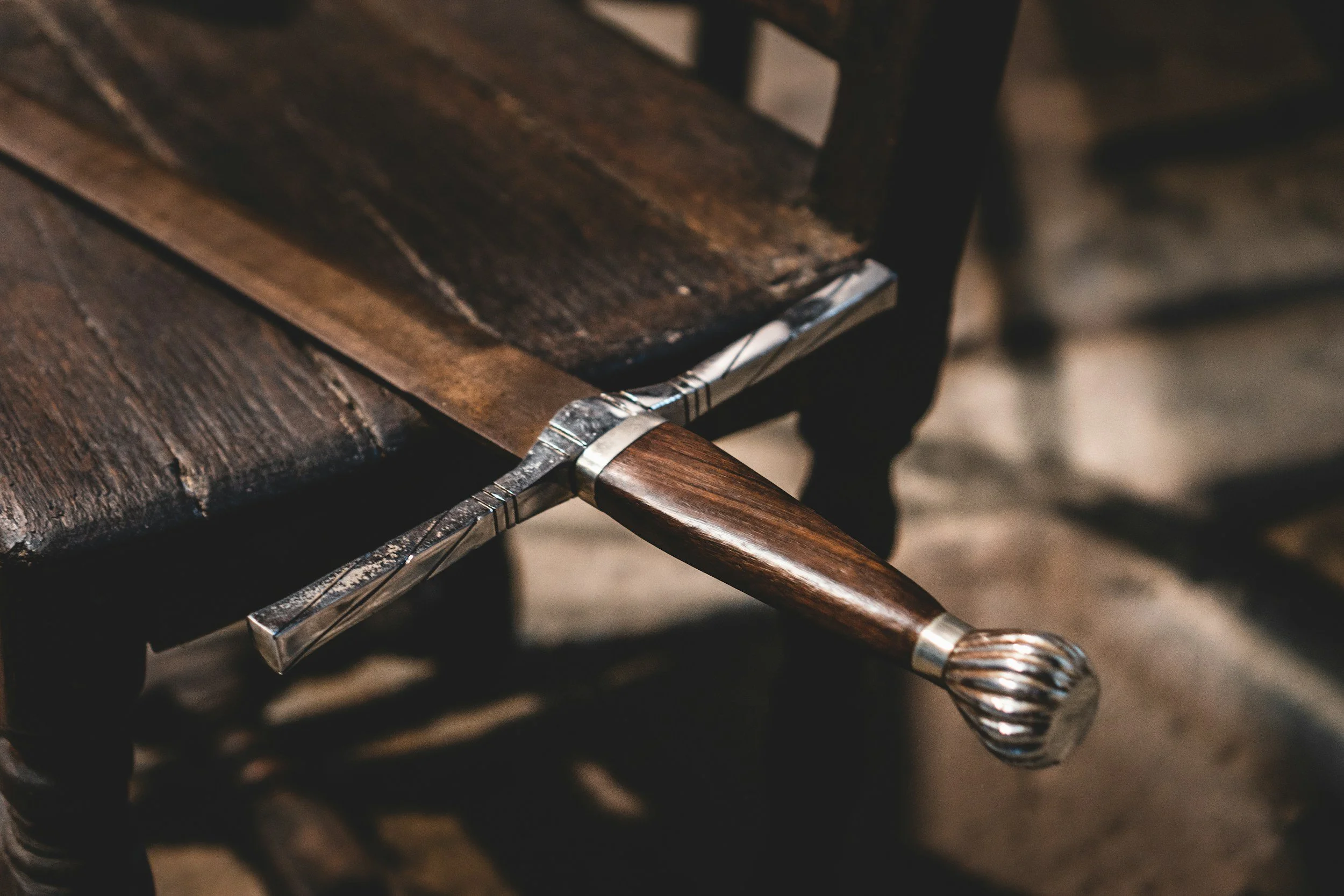
‘Morgan. Take this young whelp’s sword.’ Owain said. ‘You, Llewellyn, will spend the night under guard. You will depart tomorrow morning, and join the bands going to fight against the Danes at York. You will not govern in my name again. I will take enough men to go to your sister’s aid, and inform her of my decision.’ He turned his back on his son. A calculated insult, but there was not even a murmur of dissent.
Owain addressed his wife. ‘Morwen, my dear. This means I will not be ambassador to King Edred, I am afraid. That will have to be passed onto others.’
Morwen opened her mouth to object. What would Hywel Dda say to that? How could she even go to Winchester, if not with her husband? Then she noticed the fire of judgment had gone from Owain’s eyes, instead the wise, grey eyes had a characteristic twinkle.
‘Do you think young Cadwalladr would cope? With guidance? And can you be trusted to behave as a mother should – at all times?’ There was the hint of a growl in those last words, but this was the chance she needed. She sank into her lowest curtsey. Oh, yes: just now she would promise anything. But justice would be served.