Grandad’s Place
When our narrator arrives at the derelict place his partner has found as their next ‘project,’ he is stunned to find he recognises it as his grandparents’ home. A place he knew when he was a child; but now the house is empty and in need of a lot of work. It also hides a chilling secret …
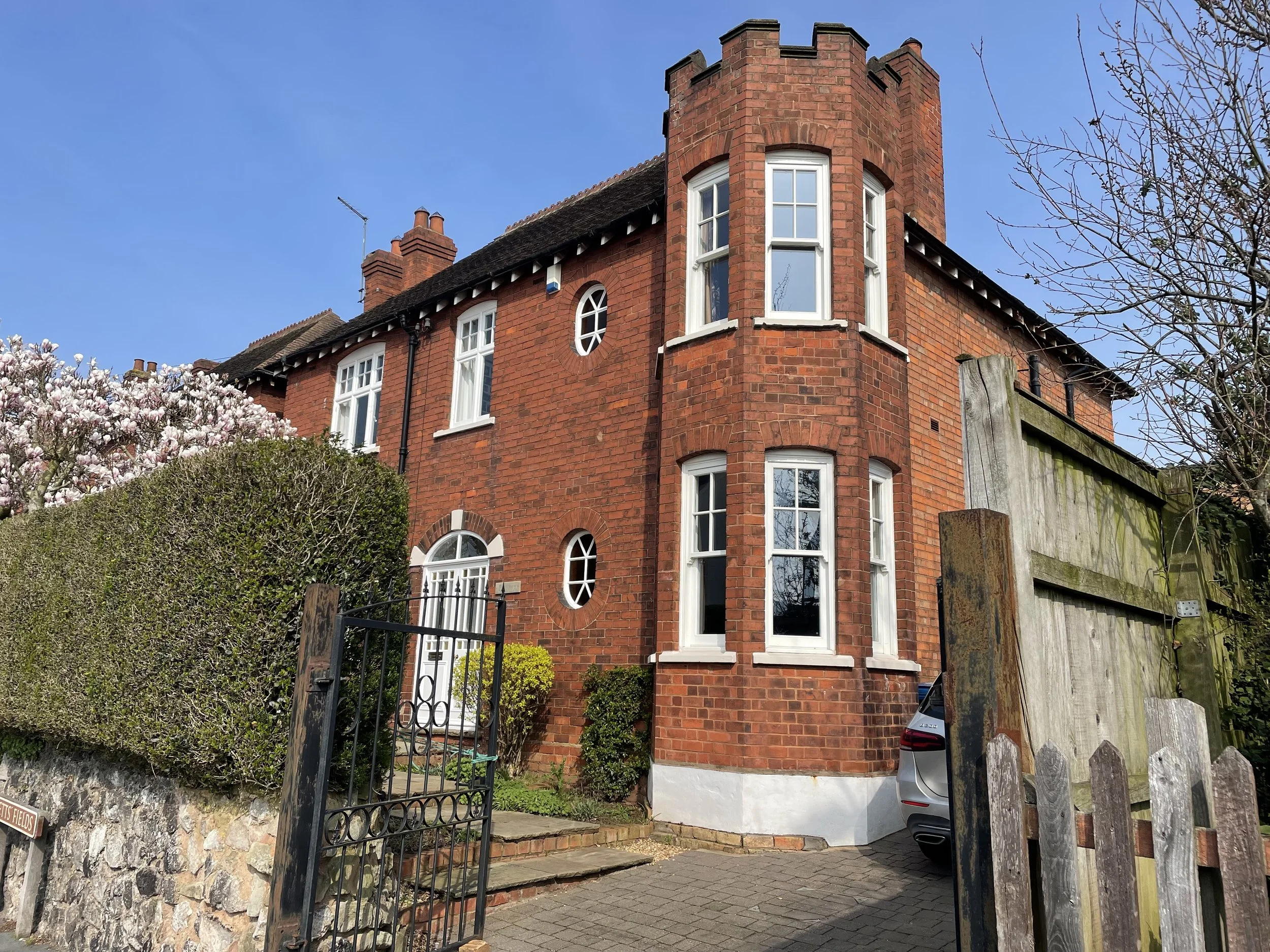
‘All right, it’s a bit more of a project than we’ve tackled before,’ Julia said as I pulled our car into the drive, ‘but it’s on for half of what it’d be worth once we’ve done it up …’ I stopped listening. I’d heard it all before.
I clambered out of the driver’s seat and moved towards the open front door – the estate agent had beaten us to the property, and she, Bethany, was holding the door open for us, gripping it as if it might fall off its hinges.
Inside was as dark and dank as I had imagined any property might be that had been abandoned ten years ago. For all it might be located in a desirable part of town, this house had clearly not been loved for a long time. I wondered what jobs and skills I would have to add to my repertoire with this place. Perhaps I should have said: when Julia says ‘we’ with reference to a project, she means I will be the one doing the actual work – she always says she is more of an ‘ideas’ person. Nowadays, she has also taken to saying I knew that when we got together.
Number 13 Northside Avenue would be our fourth project. I had hoped our third would be our last, given I had finished the decorating only last week, with an agreed neutrally-coloured (we’d gone for a pale yellow, calm but not dictating gender) nursery. However, Julia had ‘just heard about this’ from ‘a contact’ and thought we ought to get it – it was only an hour’s drive from our old place – before anyone else ‘snapped it up.’
‘So,’ Julia said, ‘what’s the “story” to this place? Your colleague in the office was a bit reticent when I asked before. Empty for ten years? Here?’ I gave Bethany a sorry smile and a shrug. Julia in interrogation mode would not be fobbed off with pious platitudes. However, as the two of them disappeared into the house, Julia firing questions and demanding answers like John Humphrys in his prime, I moved more slowly, recalling the story.
If she hadn’t been so secretive about the final destination until the very last minute, I could have given Julia a blow-by-blow account. I’d been a kid when grandad disappeared.
1990, over thirty-five years ago: I was eight and that summer was when I first faced loss. Apparently, grandma and grandad didn’t get on anymore and, in the end, grandad left. After forty years of marriage. That was the story I was told, but I could tell my parents didn’t believe it. Grandma had always been the discontented one, always cross, the one who told you off even when you’d done nothing wrong. Even then, I knew I didn’t like her very much, and I liked her even less once grandad was no longer there.
One of the many issues Grandma had, was this house. She didn’t like it. It was too dark, too provincial (a word I didn’t know as a child), and too old – Victorian. Nowadays, fashions have changed, and Victorian-era houses, once they have been appropriately modernised, can command very high prices. Anyway, given Grandad had gone, we assumed Grandma would sell up and move into somewhere more modern.
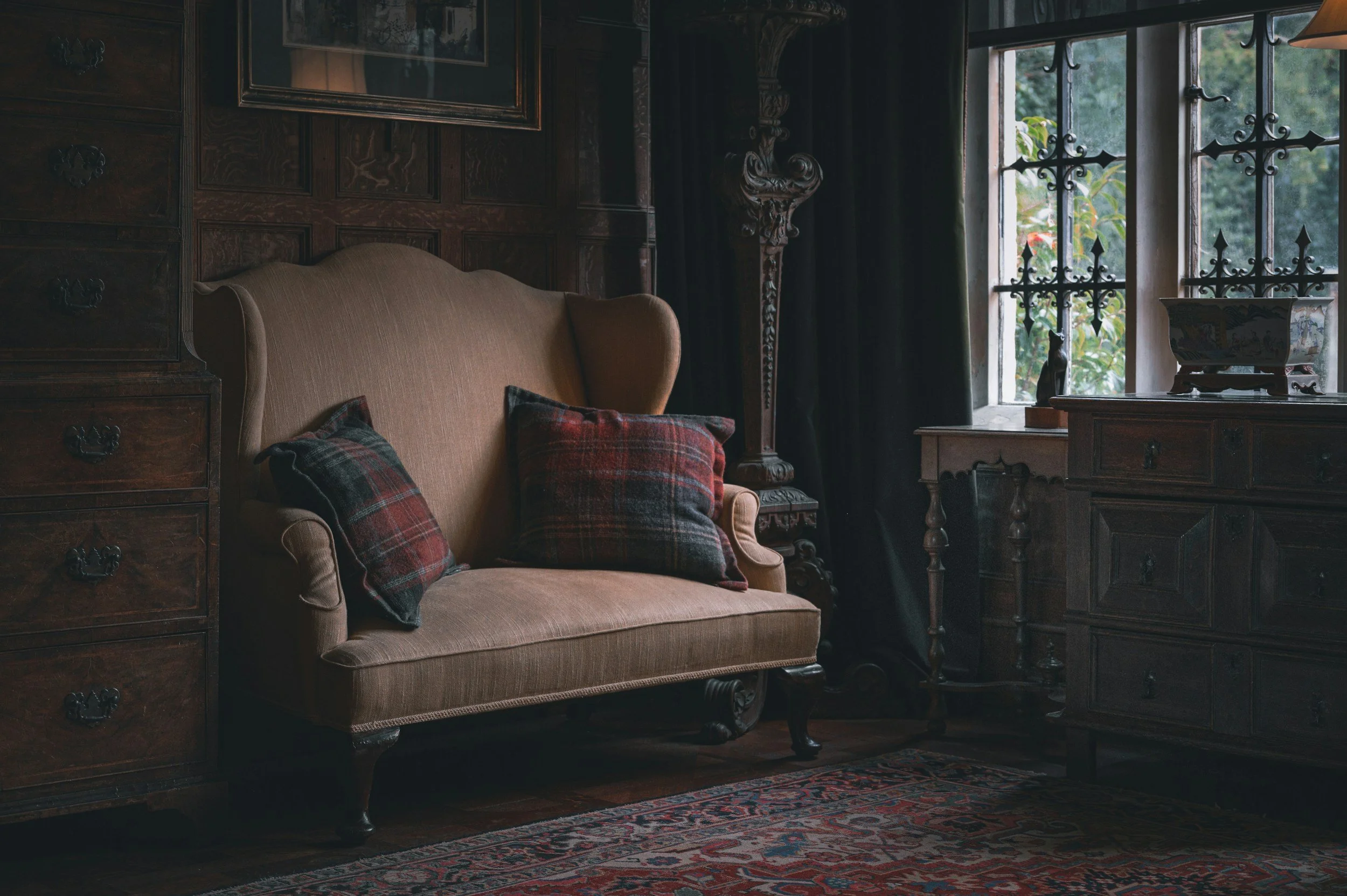
She stayed. Nothing changed. No decorating, no new furniture, but, on the other hand, nothing got sold either. She would still demand the monthly visits, where I would have to be on my best behaviour. No more exploring the garden with Grandad, and absolutely no coming back from the wild woods beyond their manicured lawns with muddy hands and knees. No pretend teas in the old, half-falling-down Second World War Anderson shelter. And no more cakes for the real afternoon tea either. Afternoon tea became a cup of tea and a (yes, just one) sandwich – the filling was some sort of fish paste. I have never since then found a sandwich-filling I disliked more, but I still had to eat it and pretend I liked it. After a while, Mum rebelled and we had a car full of drinks and snacks to keep us going on the way back home. The sandwich became tolerable as I knew Mr Kipling and fizzy pop were waiting for me. There was also an apple, or a banana, as Dad said ‘I couldn’t just have rubbish food’ in case I was sick in the car.
As a child, you don’t get to know everything. At some point, Dad must have fallen out with his mum – yes, Grandma was his mother – because we stopped going. Auntie Mavis moved in with Grandma to look after her as she was ‘going doolally.’ From what I overheard Mum and Dad saying, Grandma and Auntie Mavis were ‘two for a pair:’ eccentric.
However, Grandma was never diagnosed with any form of dementia. So, no matter how often she went on midnight wanders, or left shops without paying; or even, on one occasion, deciding she wanted a fire in her room, and the way to go about that was to take some of the fire from the lounge, put it on her bed, and then climb into bed with it; there was no medical intervention.
I was coming up to my A-levels at the time, so there was a bit of an argument about whether I could be left home alone. I pointed out it wasn’t me who’d taken flaming coals upstairs to their room. Actually, I think Dad just didn’t want to have to try to deal with his mum and his dotty sister by himself. Yes, despite the family dispute, in this extreme case, Dad had been called in.
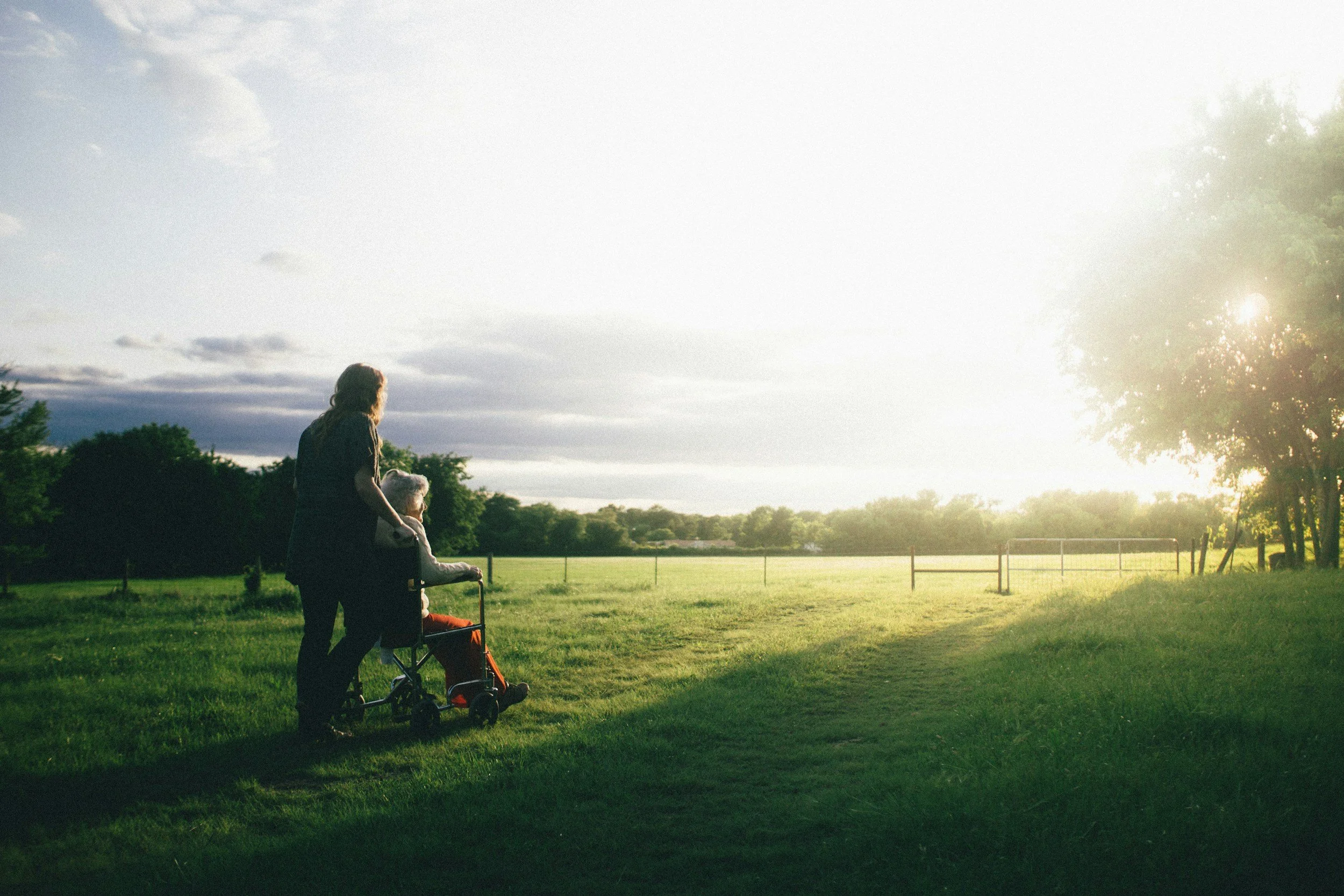
Dad wanted Grandma moved into a care home, or nursing home – one of the two. Perhaps unsurprisingly, both Grandma and Auntie Mavis resisted the idea. Two days later, Mum and Dad came home, fuming and saying they’d never go back; not even if Grandma burned the whole place down. Whether Grandma had heard them say that, or she just decided she’d had enough of them; when she died two years later, in 2002, from a brain haemorrhage, it turned out she’d left her entire estate to Auntie Mavis – and I specifically was to get nothing as I was ‘a spoiled brat’ who ‘refused to visit’ his elderly relatives.
Mum and Dad weren’t happy, of course. But the Will had been drawn up perfectly properly, was totally legal, and so it stood. Auntie Mavis continued to live in the property and, as I could now see, did nothing to update any of the fixtures or fittings. Auntie Mavis died – breast cancer, I’m told – in 2016, leaving everything to a local cats’ home. Although Dad had already died by then (due to a stroke), Mum was still alive, but she just shook her head when she heard: it wasn’t as if we expected anything. Once Grandma had been cremated, all contact had been lost – broken off is a better expression, as Auntie Mavis even returned Christmas cards unopened.
The cats’ home wanted to turn Mavis’s house and grounds into some sort of boarding cattery. The locals objected. In the end (and it was a very long end), the locals won out. Had the cats’ home just decided to sell Auntie Mavis’s place back then, they probably would have got more money for it – and Julia wouldn’t have been notified about the place.
After the tour, after hearing a highly sanitised version of the tale of an eccentric mother and daughter, after dismissing the damp as ‘not much of a problem,’ Julia’s enthusiasm for my latest project was undimmed. I wasn’t so sure. Like the kid I once was, I wanted to explore the garden. Leaving my jacket along with my phone, wallet and everything else, I stepped outside. I wanted to follow the paths I trod with Grandad. Perhaps I was too old to come back to the house with dirty hands and knees, but that’s what I did.
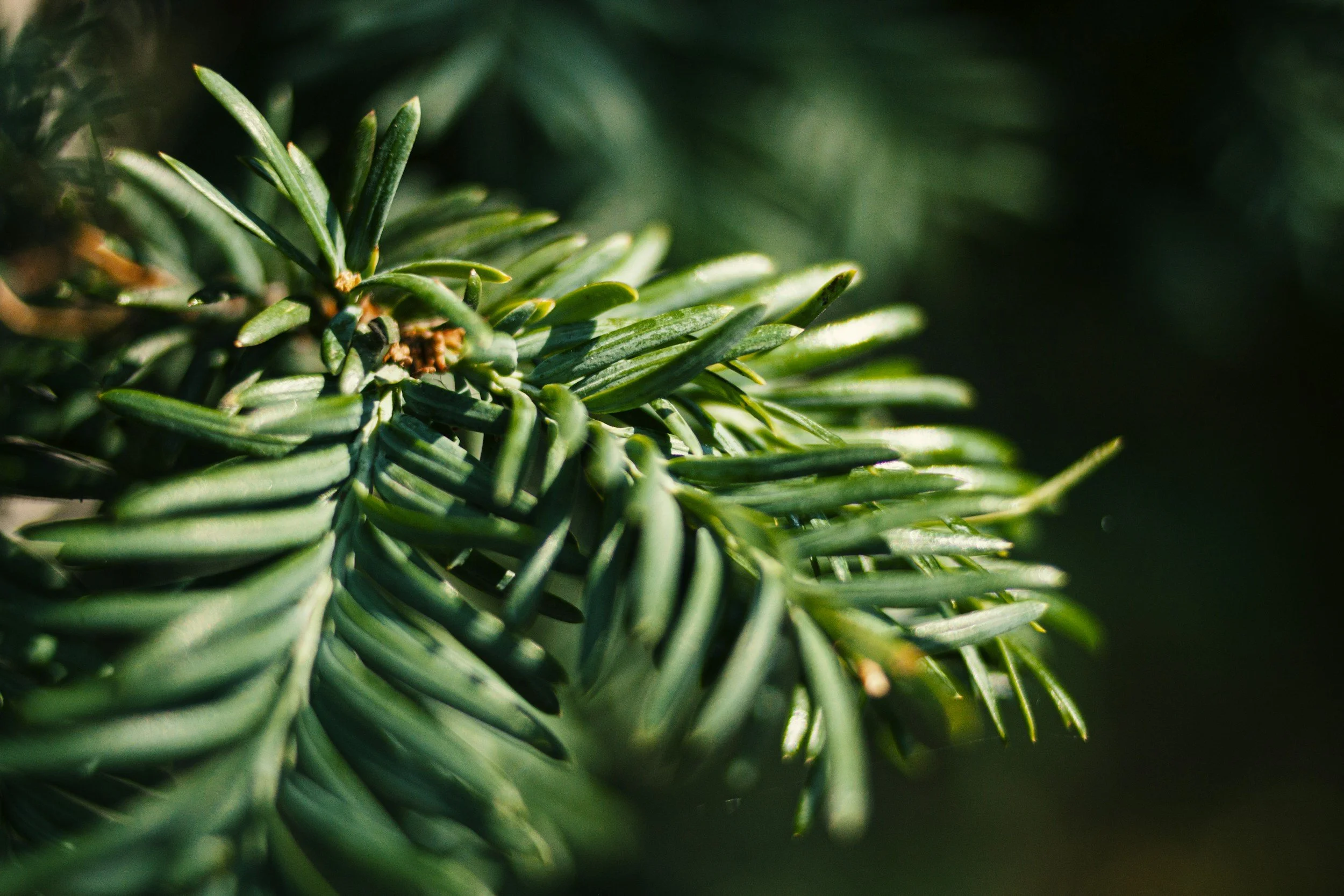
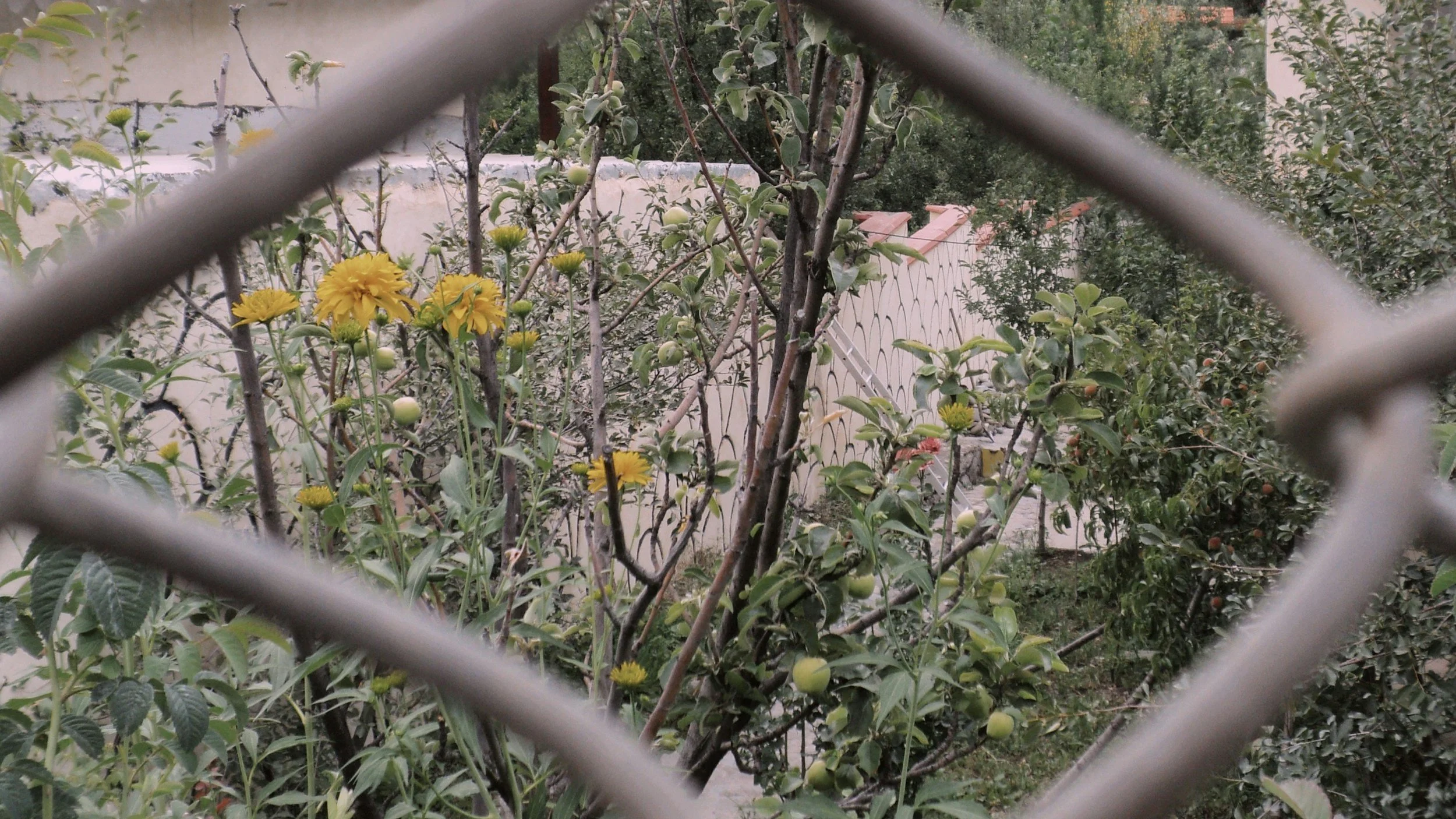
Naturally, I looked for the old Anderson shelter. The wild wood was even wilder after being uncared-for over such a long time. I could see tree branches that had snapped off in last autumn’s gales – or possibly from even longer ago. The great yew bush that separated the posh garden from the unkept areas, had grown scraggy and overly large, but there was still the indication of a gap, a walkway to where there used to be steps down into a shelter.
Even now, I do not know what possessed me. As Julia pointed out, I was not dressed in my gardening gear: if we were going out, we dressed up – not down. But I didn’t care. Using bare hands, uncaring of scratches, I pushed brambles out of the way, I tugged at ivy, deliberately trod on a hawthorn trying to plant itself in two inches of dirt on top of a concrete slab. I didn’t remember the metal bars across the door – whenever I had visited before, there was just a padlock. And it was my special job to take the key from Grandad’s hand, unlock the door, and enter first to ‘make sure it was safe.’
The bars were rusty, and had clearly been wedged firmly and deliberately into the ground, either straight down, or sideways into the banks. However, with a bit of leverage, moving up and down, or side to side as appropriate, they came out. The padlock was still in place and I did not have the key, but the whole thing came off in my hand and the door – or what was left of it – gently, slowly, leaned towards me. I equally gently, slowly, put it to one side, before stepping inside my den for the first time in decades …
‘Call the police. Now!’
‘Don’t be ridiculous … Absolutely not … It’s none of our business … Well! If you insist, I’m not staying – you can find your own way home.’
As far as Julia was concerned, once I had rushed back into the kitchen, and disrupted her polite conversation with Bethany by making my totally unreasonable demands – in the end I grabbed my own phone and dialled 999 myself – if I was so determined to make it my business, it remained nothing to do with her. However, on being told what I thought I had discovered (‘can you prove it?’), her interest in the property sank to zero faster than a sky-diver plummeting to earth without a parachute. She grabbed the car keys from my jacket pocket, and left. I filled Bethany in. The two of us even went for a walk round the garden while we waited for the police; though I went no further than pointing out the entrance to the Anderson shelter – or what was left of it.
Initially, one constable. After a thirty-minute wait. Perhaps I had sounded a bit over the top on the phone, but it did seem a long wait for someone to come to identify human remains. Once the young constable had done the identification – he’d rushed further into the bushes to get rid of his lunch – then the whole shebang turned up. I had to explain my story, three times. Including how I knew the shelter was there in the first place. Bethany was agog – her boss hadn’t seen fit to tell her half the information he’d known, but I knew so much more than her boss. The police also compelled her to stay. I had to give DNA samples as my scratched hands could have left spots of my blood at the scene: contaminating it they said, as if thirty-five years hadn’t degraded the scene at all. Also, I had to keep myself available for further questioning.
All this took time. Bethany didn’t get back to work within office hours. She recommended a hotel for me. Although she’d taken the car keys, Julia had left my jacket – with my wallet. I decided the only thing to do was take Bethany out to eat, as neither of us had had lunch, much less a drink, for the whole afternoon.
I rang Julia from the hotel. She was not happy at the idea of bringing me more clothes. She was even less happy at the idea the police wanted to talk to her as well – and insisted she had legal representation when they did so. I found out later, she even tried the ‘no comment’ line until her solicitor had a word with her. Either way, she was not helpful, and left me with more questions from the police on the line of ‘why hadn’t I informed my partner about my suspicions of the property before disappearing to where I must have known what I would find.’
It goes without saying, Julia’s attitude made the whole situation more complicated. I did try to point out I hadn’t known which house we were heading to, until we were less than a couple of minutes away (‘That’s not what we have been informed, sir.’) The police, for a while, even questioned how I might have got to 13 Northside Avenue when I was a child.
‘Your childhood home was only half-an-hour away.’
‘By car. It would have taken me hours – even on a bike!’
It took the police seventy-two hours to be sure the bones had lain there for thirty-five years, and so I must have been, as I had said, about eight when the skull had been caved in. Blunt force trauma was the likely means of death. And, yes, they did manage to extract some DNA, so he was, in all probability, my grandfather (as they now had my DNA on file, they didn’t have to ask me again).
In the end, I was not charged. But my relationship with Julia was damaged beyond repair.
‘How could you? You told them I knew we were going to my grandparents’ home.’ Given I wasn’t shouting this at the top of my voice, I thought I was being reasonable.
‘How could you go off and do your own exploring? You embarrassed me.’
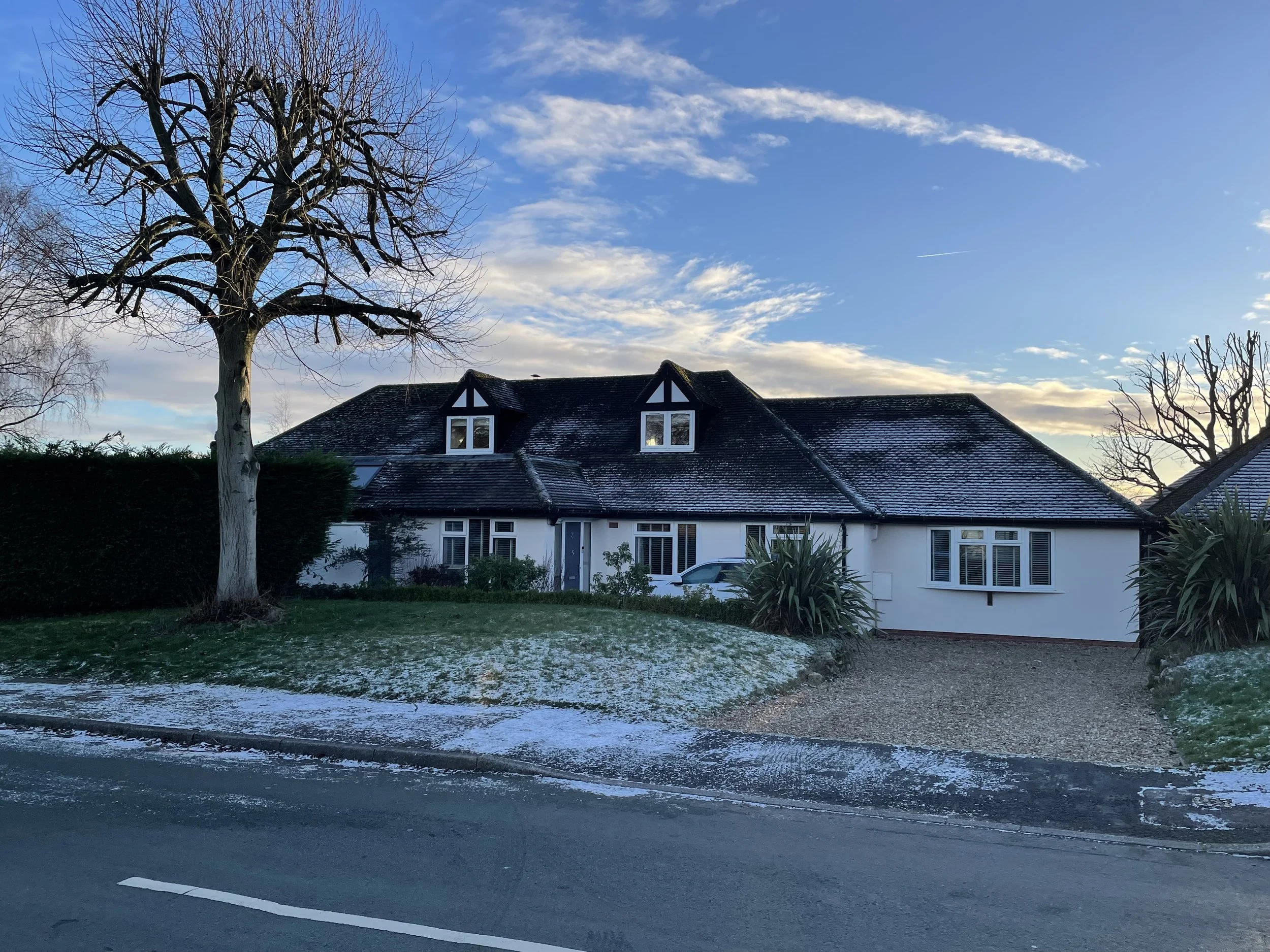
Quite why she should be embarrassed because I found my own grandfather’s remains, became one of the many things I realised I did not know about her. I got much less out of the split than I hoped, but she was the one with the free legal advice. She has now set up home with her solicitor (they’ve moving into a lovely big place on the edge of town: ‘turn-key ready,’ I’m told). I’m camping out at 13 Northside Avenue. We got it even cheaper than when Julia and I saw it – having a murder on site doesn’t do anything for the asking price – but we can see a future in it. It’s not as if grandad is a hostile ghost. We’ve already got rid of anything and everything that reminds me of grandma or Auntie Mavis. And, once we’ve finished, it’ll be a great place for kids.
Oh, sorry: ‘we.’ That’s Bethany and me. Having taken her out for dinner that momentous day, we kept meeting. Once it was clear Julia and I weren’t getting back together, one thing led to another. She likes the idea of a forever home. She likes the idea of kids. And, most important, unlike my frenetic life with Julia, Bethany and I are learning how to sit and do nothing together.
Not that we can ‘do nothing’ in the foreseeable: I’ve just been shown a little blue line, and the nursery is nowhere near ready.