A Pink Rose
As soon as my writing group told me the topic, I knew I had to write the story about the time a rose got me into trouble. It happened a long time ago now, but I still can’t quite see a rose, especially a pink one, without thinking about when I was young, foolish, and a long way from home …
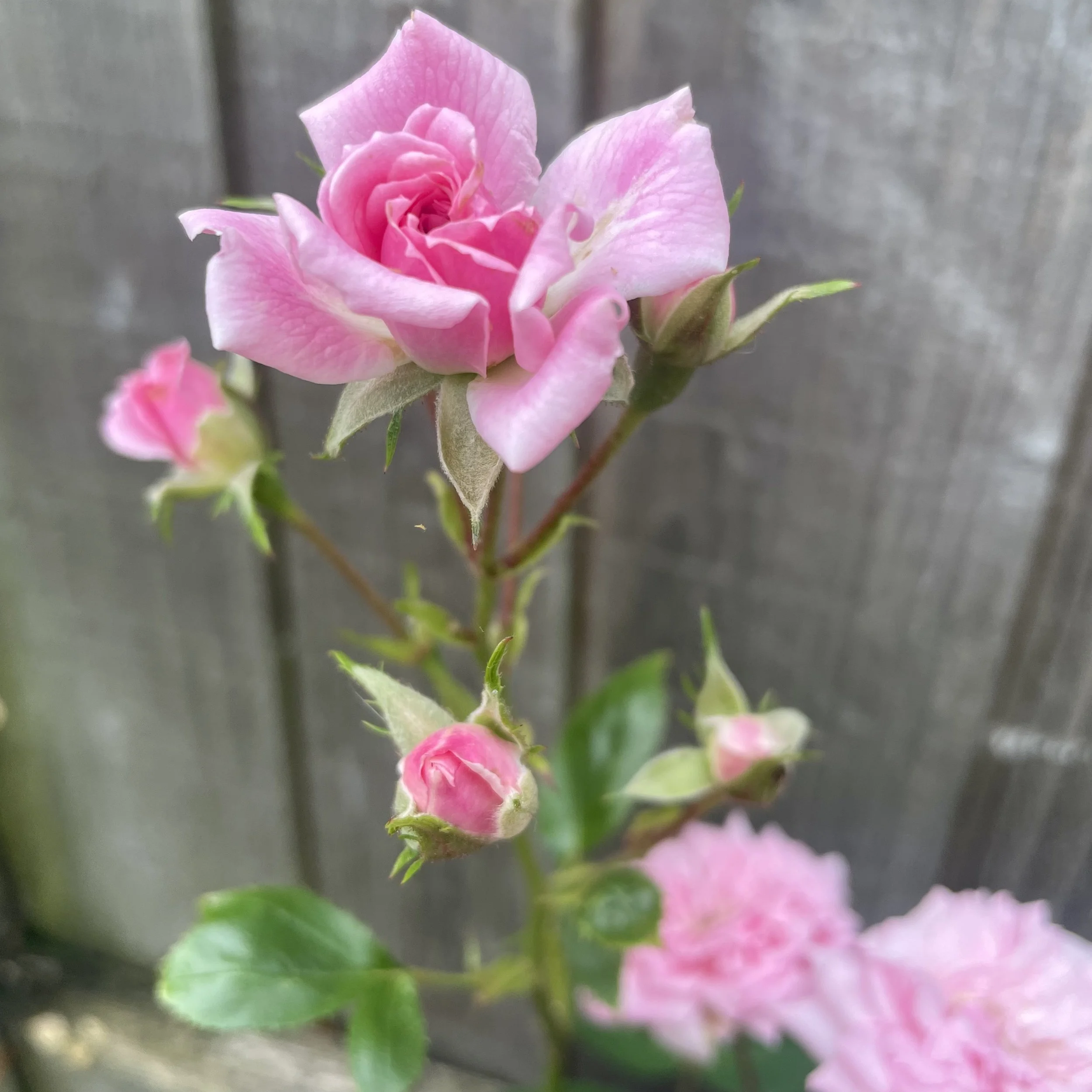
Almost forty years ago, I grew roses in my garden. When I moved in, the back yard was just a patch of earth. It was summer, thirty degrees in the shade was not at all unusual – even back in those days. The whole place was dry, dusty and very brown. True, you could find acacia trees, thorn bushes, and, if you drove out of town, you might even find the occasional baobab.
This was Africa. Francistown, Botswana to be precise. I had gone out with the British Council to teach, and I was fortunate in that the school I was posted to was well run. Indeed, it was a place where, despite the country being semi-desert – the further west you go, the more it becomes the Kalahari – if life had turned out differently, I could have stayed for much longer than I did.
Botswanan soil only needs water to be fertile. Admittedly, most teachers who had gardens were more likely to be growing food for the table than flowers to make a pretty show. In these gardens, spinach and onions were by far the easiest options. So much so, it was unusual not to have a meal without these two items, which would grow pretty much all year round. We had two seasons: winter, where the days were still hot (especially if you came from northern Europe), but the night-time temperatures could sink as low as zero degrees Celsius; and summer, where the days were hotter and so were the nights.
Roses weren’t the only plants in my garden, but they were among the thirstiest. Given my little bungalow had one bedroom, with shower room to the side, and one lounge-diner with kitchen, I struggled to find enough work to keep my maid employed – so she also became my official gardener. Maybe I should explain. Like a lot of us ex-pats, I arrived with very fixed views on the employing of servants. However, the sixty-odd Pula per week that the average maid earned, was vital to their monetary survival in the village. Sixty Pula might, at the time, have been roughly equivalent to £6 sterling according to the money markets, but those few notes had the purchasing power of over £60 in the village markets. Put simply, even if I didn’t need to have the house tidied, my washing done, and my garden watered; she needed the money. Grace was found for me by a neighbour (I suspected she was their maid’s niece), and she turned up three times a week. To be honest, I got used to being cosseted: so much so that I did rather miss it when I came back home two years later and had to start doing my own washing, washing up, dusting and so on, all over again.
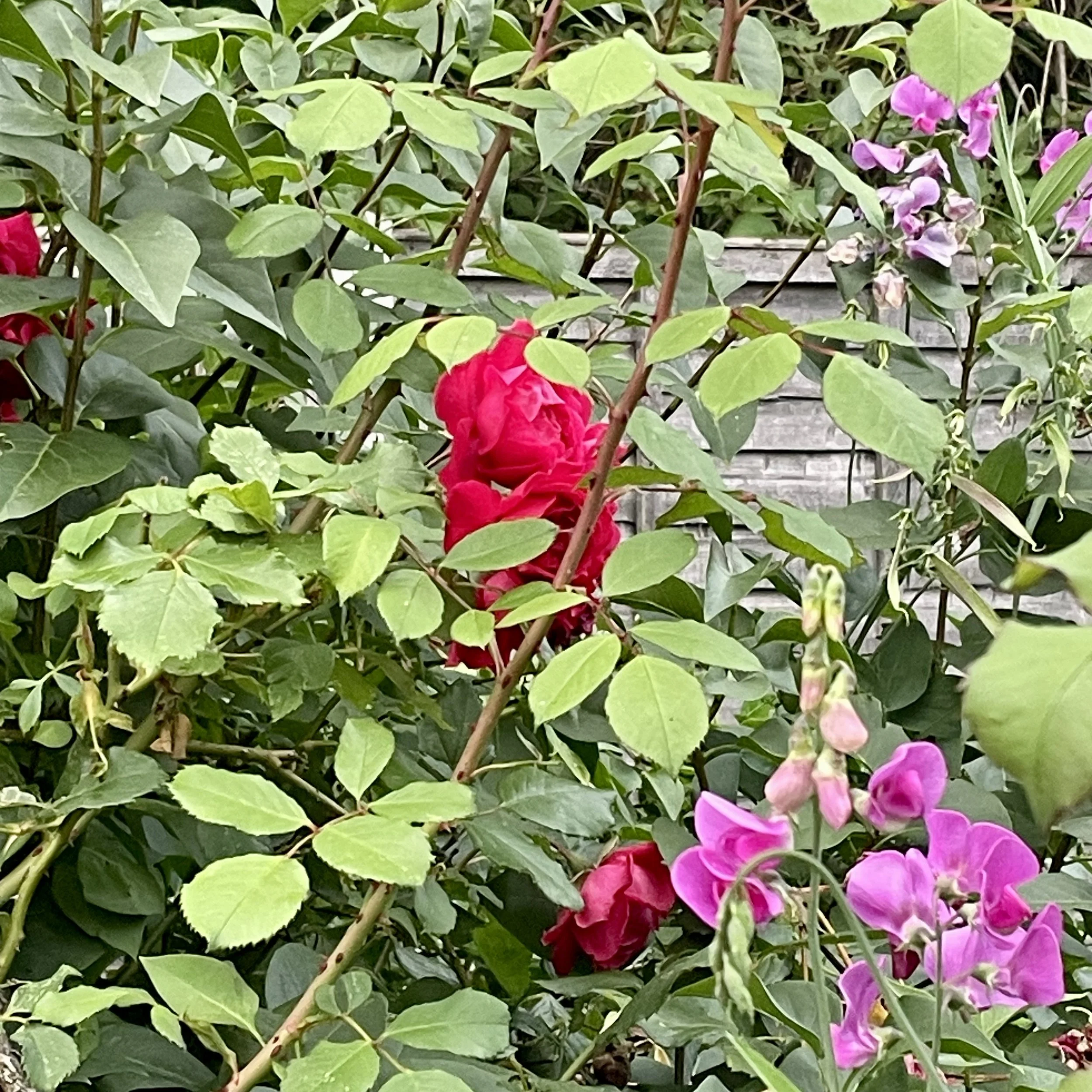
Anyway, my roses, visible as they were through the chain-link fence to the roadside, became well-known. As I have noted, no-one else in the school’s compound grew them. Not even the ex-pats. The roses performed well: able to stand the cold winter nights, there was no time when I didn’t have one bush or another in bloom. One of the jobs I kept to myself was deadheading. If a gardener keeps up with the deadheading, then roses will keep on producing flowers. No one has told them they aren’t going to produce seeds, so they keep trying to get their flowers that far.
Although people did make the occasional comment, I didn’t grow the flowers for anyone’s enjoyment but my own – and that of any guests who happened to drop by. Besides, in that heat (and given I was out a lot of the time), picking the roses would only have meant dropped petals in a day or two at most. The blooms lasted much longer outside. Besides, it wasn’t as if I had a girlfriend. Back then, as an ex-public schoolboy who’d gone to university for a very male dominated science degree, I found life in a mixed environment like a school (where both the staffroom and the classrooms seemed overfull of females), complicated. Women were an alien species who always contrived to have the last, and often embarrassing, word. At least my roses didn’t do talking back at me. Or making me feel small. Didn’t these women know their place?
Such was my discomfort, in the end, I made sure Grace only came to my home when I was out. There was one memorable occasion I came home early – at least my memory tells me I was early – for lunch to find Grace getting changed in the bathroom. She’d left the door more than ajar, and I blithely walked on her dressed in just her bra and knickers. I backed away, bashing my head on the door frame on the way, and closed the bathroom door very firmly behind me. I didn’t even look at the poor girl as she emerged from the bathroom. Because of her skin colour, I could not tell if she was embarrassed in her turn or not, but, keeping my back to her, I pointed.
‘Your money’s on the side. I’ll, er … I’ll see you next week.’
Thereafter, even if I was not teaching in the period before lunch, I stayed at school, in the staffroom until the bell rang for lunchtime, before making my slow way home. If it made for less time in my garden – sometimes there would be rose petals on the ground before I’d get there with the secateurs – it was a small price to pay.
During my time trying to teach unwilling students the rudiments of O-level Mathematics, my only other interaction with the female of the species – not that is, mediated with, by, or through, the classroom, staffroom, or church was when I gave a pink rose (I thought she’d asked for it) to the pastor’s daughter. I still think the pastor could have handled things differently. His daughter, after all, was an adult. She had finished school, and I was only in my early twenties. In fact, it was her mother who’d expressed most pleasure in my gesture of friendship. A single, pink rose on a long stem.
Her father went all Old Testament on me. I was called to the school phone (yes, there was only one). The school phone was in the school office. I was loudly berated over that phone, in the presence of the school admin staff. During that call, much was made of the vast age difference between myself and his daughter. Much was made of my unsuitability as someone only on a short-term contract – I could easily sign another one, but I never got to make that point. And much was made of the fact that it was her father’s job to ‘discern the Lord’s will’ about who was to be his daughter’s husband. Whatever the daughter’s opinion, whatever her mother’s opinion, it was obvious I had failed the pastor’s discernment test.
After that conversation, and knowing that the school secretaries would not keep their mouths shut, I left the office without a word. I cannot now recall if I had to teach, or mark books, or whether I just went home. I know I spent a huge amount of energy on acting and saying I was alright. There were no problems. Everything was fine. I also know I didn’t want to go back to church, but not going would be worse. While I avoided the pastor and his whole family, if I had failed to attend church, all sorts of gossipy ladies would be wanting to know what had happened to me. As this whole situation stemmed from me giving a rose to a person – a female person – I even started to lose interest in my garden.
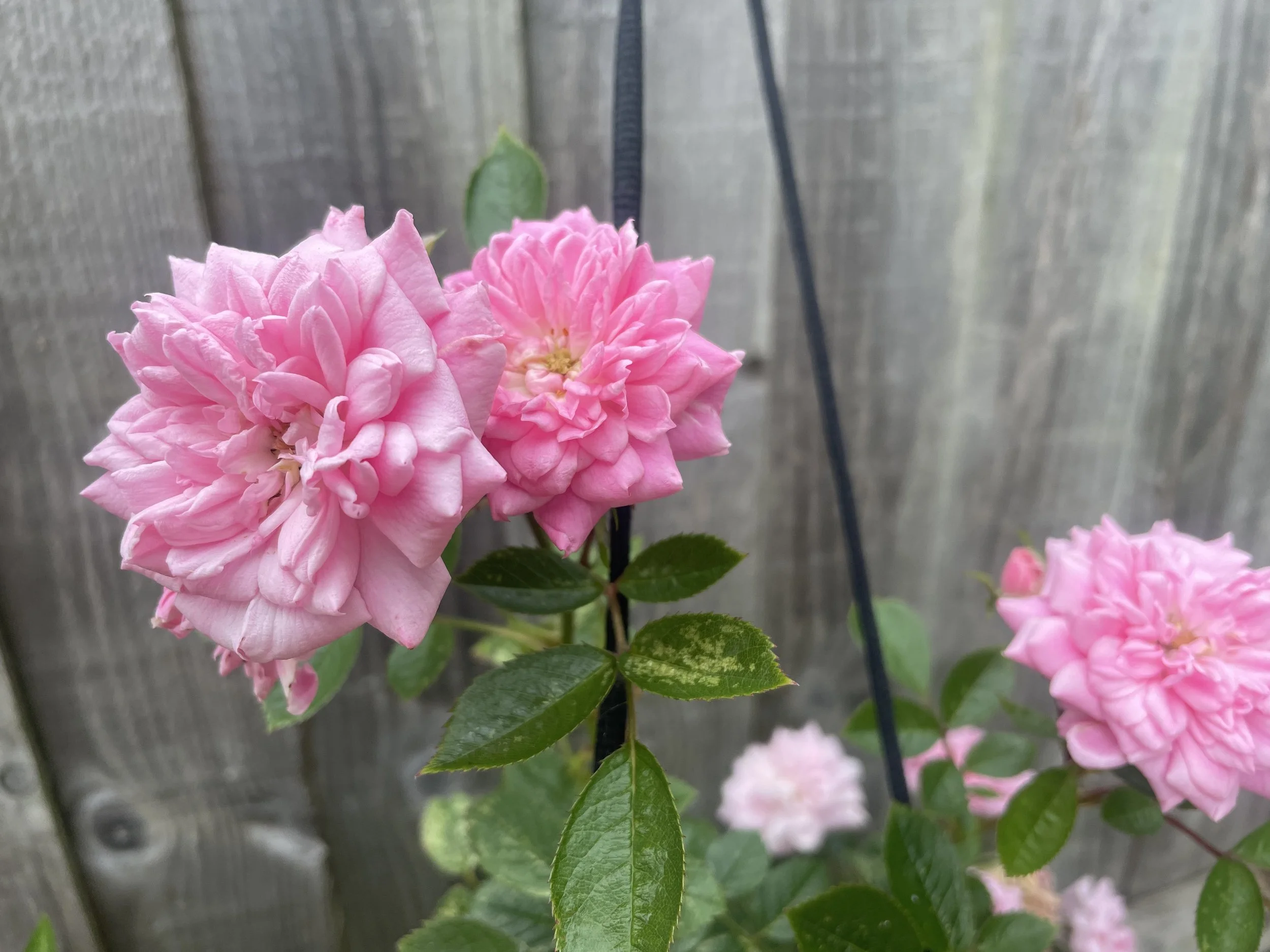
I let my contract finish without renewing. I packed up my little home. Some friends asked me to join them on a last safari. Perhaps I knew even then it would be a long time before I would see Africa again, so I was glad to spend six weeks exploring Namibia, Zimbabwe and other areas of Botswana. The safari finished with a day or two to spare before I got my flight home. I found myself walking the road the other side of the chain-link fence where I used to live. No rose can survive without water. Every single petal had fallen to the ground.